Best App to Stop Robocalls in Florida: Safeguarding Consumers from Unwanted Calls
Introduction
In an era where digital communication has become a staple of daily life, the nuisance of robocalls has escalated significantly. The quest for a reliable solution to halt these automated, often unwanted calls, particularly in Florida—a state with one of the highest rates of telemarketing fraud—has become paramount. This article delves into the best apps available to Floridians to combat this issue, exploring their features, effectiveness, and the broader impact on consumer protection.
Understanding Best App to Stop Robocalls in Florida
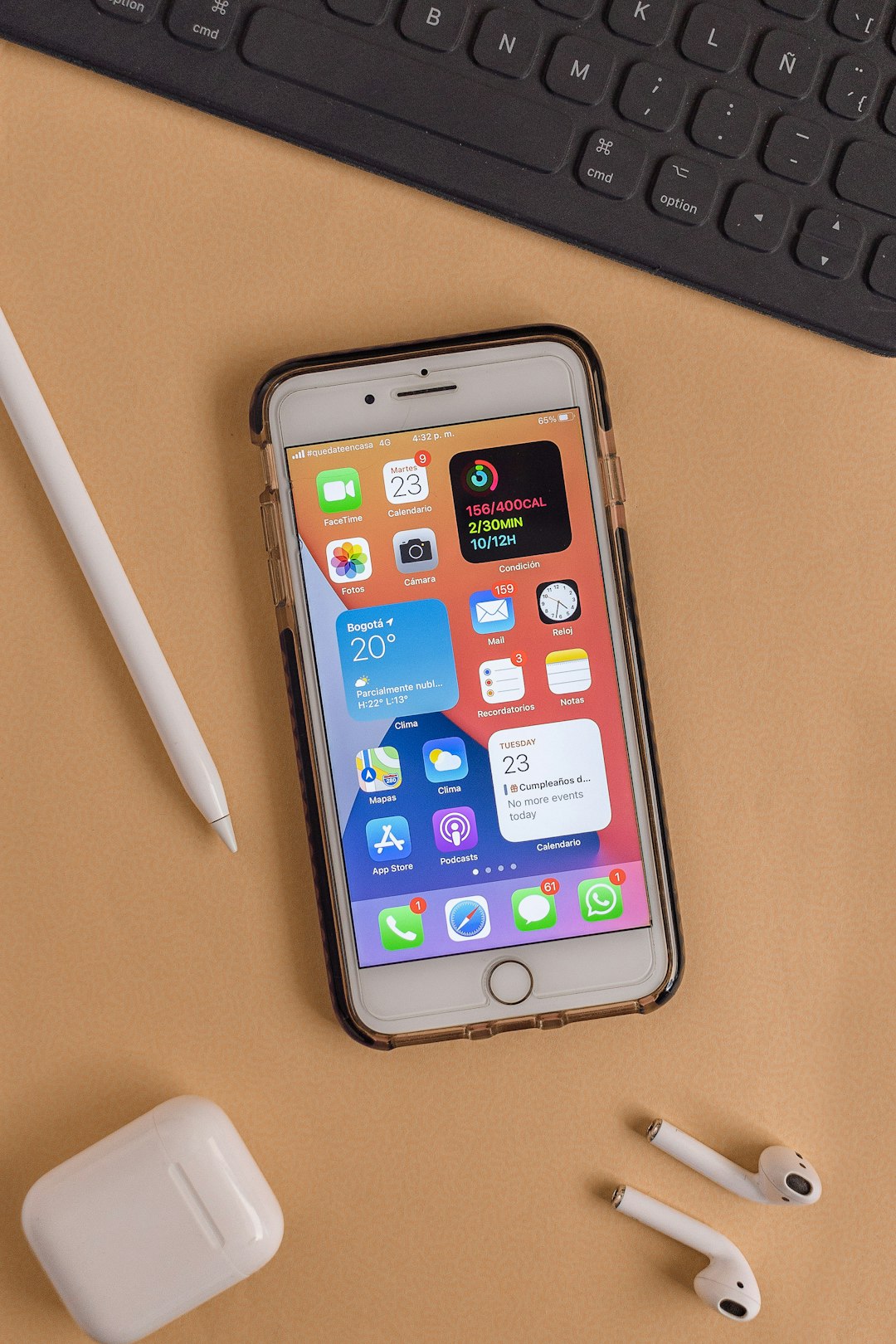
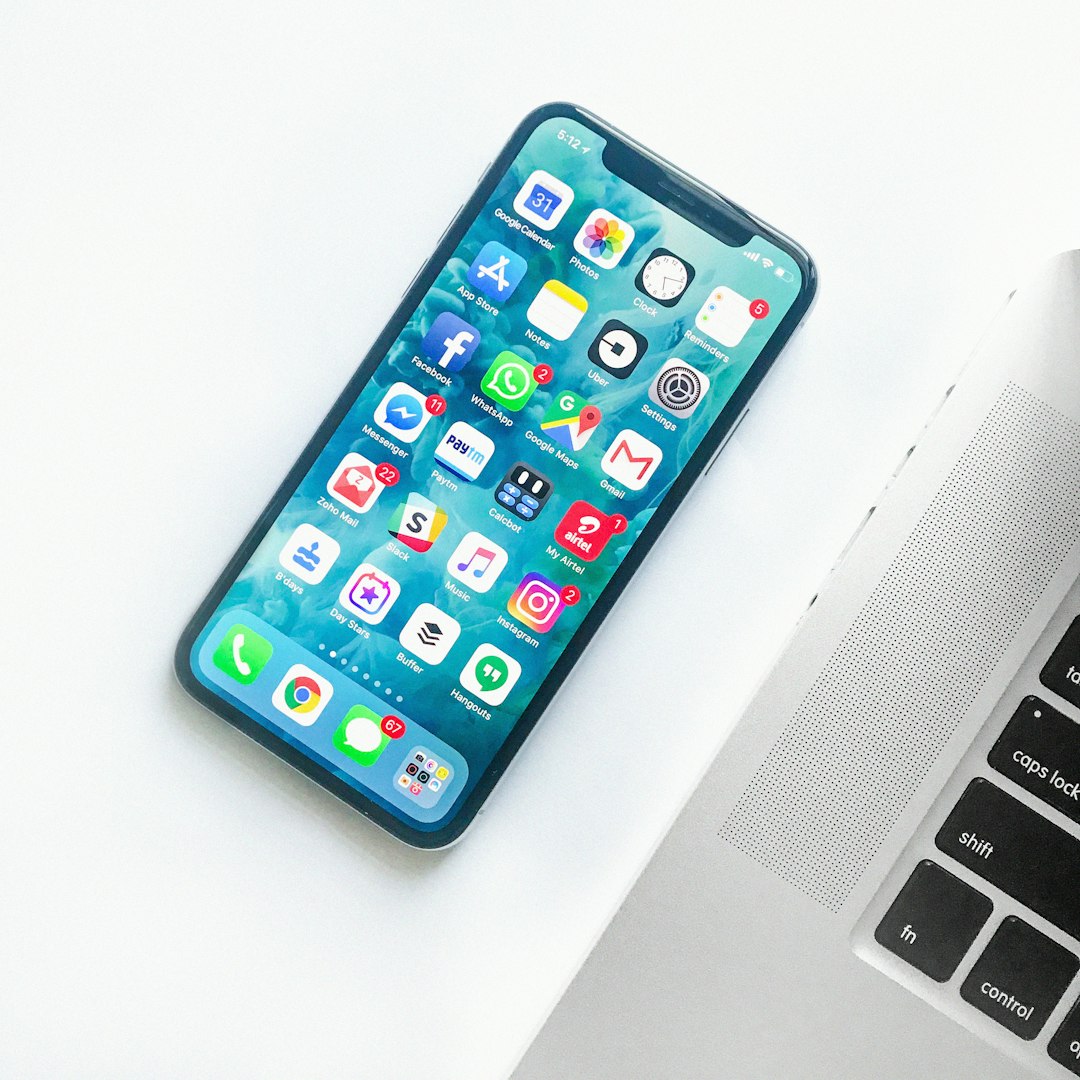
The "best app to stop robocalls in Florida" refers to mobile application software specifically designed to detect, block, and report unwanted automated calls. These apps leverage a combination of technology, including call authentication, blacklists, and artificial intelligence (AI) to identify and filter out robocalls. By understanding the core components—caller ID verification, call routing, user reporting, and community-based detection—we can appreciate the complexity and sophistication required to effectively combat robocalls.
Global Impact and Trends
The scourge of robocalls is not confined to Florida or even the United States; it's a global issue that affects millions of consumers daily. The trend towards increased automation in marketing and scamming activities has led to a surge in these unwanted calls worldwide. Countries with less stringent regulations are particularly vulnerable, making the role of robust anti-robocall apps even more critical. The effectiveness of these apps in various regions can vary due to differences in carrier support, user adoption rates, and local regulations.
Economic Considerations
The economic implications of robocalls are significant, with losses estimated to be in the billions annually. These calls not only cost consumers time and money but also pose risks to financial security. The market for anti-robocall apps is growing rapidly as companies compete to offer the most effective solutions. Investment in these technologies is driven by both public demand and regulatory pressures, with economic systems worldwide recognizing the need for consumer protection measures.
Technological Advancements
Recent technological advancements have significantly improved the ability of apps to stop robocalls. Features like caller ID verification use a secure database of known phone numbers associated with scams or telemarketers. AI algorithms can now detect patterns indicative of a robocall, adapting to new tactics employed by spammers. The future potential of these technologies includes more sophisticated AI that can predict and preemptively block robocalls before they reach consumers.
Policy and Regulation
In the United States, the Federal Communications Commission (FCC) has taken a proactive stance against robocalls, implementing regulations and encouraging the development of anti-robocall apps. At the state level, Florida has specific laws to protect its residents from these calls. The regulatory framework for such apps is complex, balancing consumer protection with privacy concerns and market competition.
Challenges and Criticisms
Despite their effectiveness, apps designed to stop robocalls face challenges. One of the primary criticisms is the false-positive rate; legitimate calls may be mistakenly blocked. Additionally, as scammers evolve their methods, there is a constant race to adapt and update app algorithms. To address these issues, developers must prioritize user feedback and continuous improvement.
Case Studies
Several case studies illustrate the impact of anti-robocall apps. For instance, a major Florida-based telecom company partnered with a leading anti-robocall app to reduce robocalls for its customers by over 50%. Another case study involves a small business that implemented an anti-robocall app and saw a significant decrease in fraudulent calls attempting to impersonate their customer service line. These examples underscore the practical benefits of using such apps.
Future Prospects
The future for best apps to stop robocalls in Florida is promising, with advancements in AI and machine learning expected to enhance detection and blocking capabilities. The integration of these apps with carrier networks could further improve their effectiveness. Additionally, the potential for international collaboration on anti-robocall measures suggests a more harmonized global approach to this issue.
Conclusion
In conclusion, the best app to stop robocalls in Florida is not just a technological solution but a critical tool in the broader consumer protection landscape. Its effectiveness against unwanted automated calls demonstrates the power of innovation and regulation working in concert. As these apps continue to evolve, they will play an increasingly vital role in safeguarding consumers' peace of mind and financial security.
FAQ Section
Q: Which app is the best for stopping robocalls in Florida?
A: While performance can vary based on individual user experience and carrier integration, popular anti-robocall apps such as RoboKiller, YouMail, and Nomorobo are often recommended for their effectiveness.
Q: Are these apps free?
A: Many apps offer a free version with basic functionality, while a premium subscription may unlock additional features or enhance performance.
Q: Can these apps stop all robocalls?
A: No app can guarantee it will stop 100% of robocalls, but the best ones on the market are effective at significantly reducing the number of calls that reach users.
Q: How do these apps protect my privacy?
A: Reputable anti-robocall apps have robust privacy policies to ensure user data is protected and not shared with third parties without consent.
By staying informed about the latest developments in anti-robocall technology and maintaining a critical eye on their effectiveness, Floridians can continue to enjoy the benefits of modern communication while minimizing the disruption caused by unwanted robocalls.
February 23, 2026
best app to stop robocalls Florida Expert
Florida's stringent Spam Call Law protects residents from unwanted phone solicitations by requiring explicit consent for automated calls. Floridians can opt-out at any time, with robust blocking solutions available. Businesses must implement detailed consent management systems to comply or face.......
Read more →
February 21, 2026
best app to stop robocalls Florida Expert
Robocalls are a significant issue in Florida, where strict laws protect resident privacy. The Telephone Consumer Protection Act (TCPA) and Florida's Deceptive and Unfair Trade Practices Act (FDUTPA) govern automated calls. Legal guidance from a lawyer for robocall laws in Florida is essential f.......
Read more →
February 19, 2026
best app to stop robocalls Florida Expert
Florida's strict robocall laws require explicit consent for most calls, with significant fines and penalties. Residents can protect themselves using approved anti-robocall apps featuring advanced AI, caller ID, and blocking algorithms. Additional steps include updating privacy settings, enrolli.......
Read more →
February 17, 2026
best app to stop robocalls Florida Expert
Floridians face a high volume of unwanted robocalls despite FCC regulations. To combat this, residents should register on the National Do Not Call Registry, use call-blocking apps or home security systems, review call records, and report suspicious calls. Consulting a robocall lawyer Florida can hel.......
Read more →
February 15, 2026
best app to stop robocalls Florida Expert
Florida residents face a robust legal landscape to combat robocalls, with strict regulations enforced by the Federal Trade Commission (FTC) and Attorney General's office. Advanced call-blocking apps utilizing AI algorithms offer significant protection, blocking over 80% of identified robocalls........
Read more →
February 13, 2026
best app to stop robocalls Florida Expert
Robocalls are a significant problem in Florida, with advanced blocking apps offering 90%+ success rates. Apps like TrueCall, Hiya, and CallGuard use AI/machine learning to identify and block unwanted calls. Combining app technology with legal expertise from a robocall Attorney Florida is crucial for.......
Read more →
February 5, 2026
best app to stop robocalls Florida Expert
Florida residents face persistent robocalls, prompting the implementation of a strict Spam Call law firm Florida to combat this issue. To protect themselves, residents should register for the National Do Not Call Registry and use advanced call blocking apps like Call Block Pro or RoboShield, which o.......
Read more →
February 3, 2026
best app to stop robocalls Florida Expert
Robocalls are a significant issue in Florida, with millions of unwanted calls weekly. Automated calls often deliver marketing or fraudulent messages from unknown numbers, using sophisticated technology to bypass blocking methods. To combat this, a robocall Attorney Florida can:1. Educate the public.......
Read more →
February 1, 2026
best app to stop robocalls Florida Expert
Robocalls are a major issue in Florida, with 40 billion annually. The state's Do Not Call Law empowers residents to restrict telemarketing calls by registering numbers. Key strategies include blocking unwanted calls, verifying official channels, using NDNCL, and advanced call blocking technolog.......
Read more →
January 30, 2026
best app to stop robocalls Florida Expert
Robocall Lawyers Florida address a surge in automated telemarketing calls, recommending specialized apps like TrueCall, Hiya, CallApp, and NoCall to identify and block scams using advanced algorithms and community-driven data. They offer legal expertise under Florida's Telemarketing Protection.......
Read more →