Robocall Lawyers Florida address a surge in automated telemarketing calls, recommending specialized apps like TrueCall, Hiya, CallApp, and NoCall to identify and block scams using advanced algorithms and community-driven data. They offer legal expertise under Florida's Telemarketing Protection Act, analyze call patterns, negotiate with callers, and collaborate with regulatory bodies. Machine learning algorithms adapt to new scams, while software filters calls based on location and metadata. A multi-layered defense strategy combining technology and user awareness is essential for long-term protection.
In the digital age, robocalls have become a persistent nuisance, particularly in Florida where laws offer unique protections for residents. With countless numbers blocked daily, the battle against these automated calls rages on. The problem is multifaceted: from misleading marketing to potential scams, robocalls can pose significant risks. However, robust solutions exist. This article delves into the most effective apps designed to defend against robocalls in Florida, providing an authoritative guide for residents seeking to reclaim control of their phone lines and protect themselves from malicious intent, backed by expertise from leading robocall lawyers Florida has to offer.
Understanding Robocalls: Legal Framework in Florida
Identifying & Blocking Common Scams: Tools & Apps
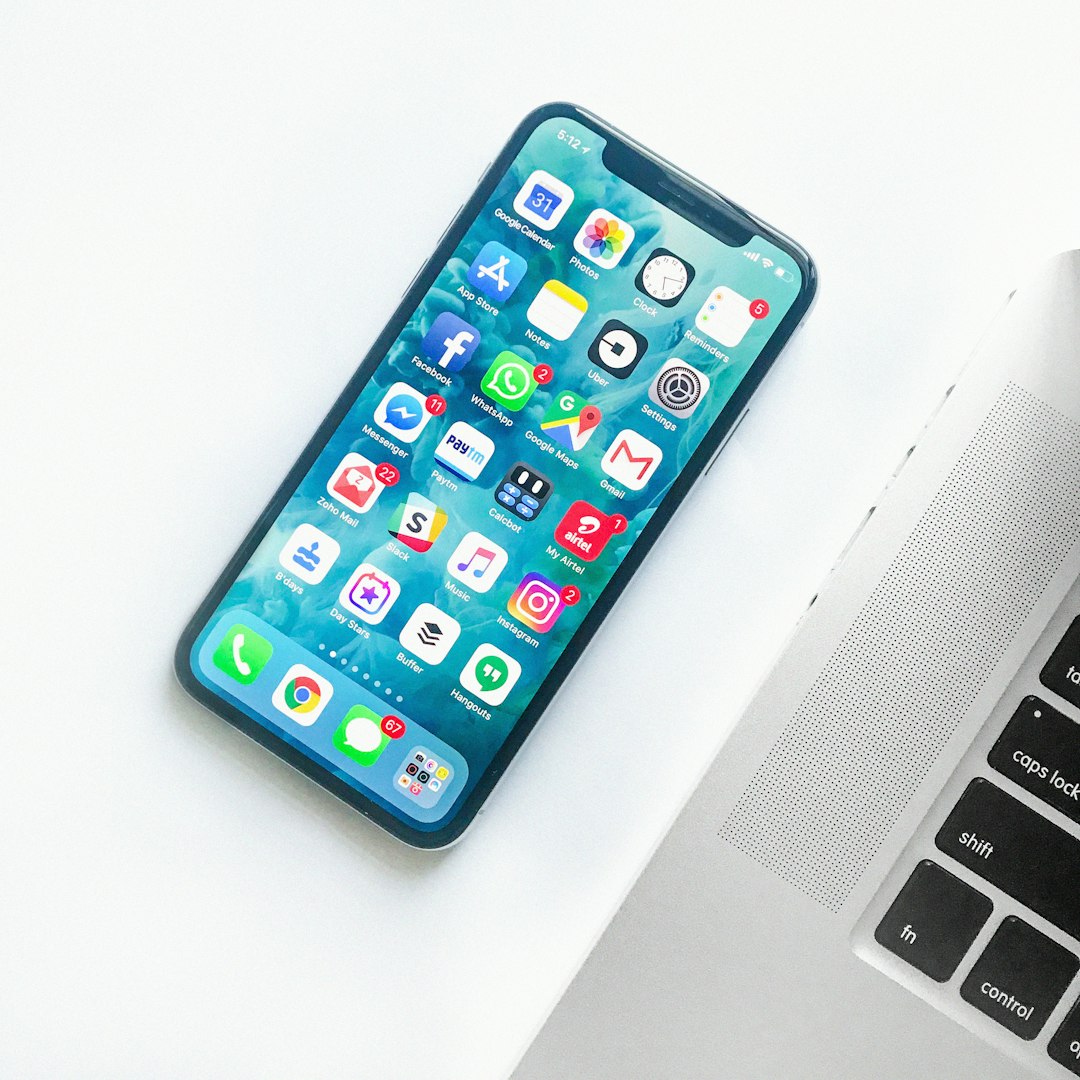
Robocalls have become a persistent and annoying problem for many Florida residents, with scammers using automated technology to make millions of unsolicited calls across the state. To combat this growing issue, robocall lawyers Florida and tech experts recommend utilizing specialized apps designed to identify and block common scams. These tools employ advanced algorithms to recognize patterns and signatures often associated with fraudulent activity, offering a robust defense against these relentless callers.
One such app, TrueCall, uses machine learning to analyze call patterns and automatically filters out spam. It allows users to report suspicious calls, contributing to an evolving database of known scammer numbers. Another notable option is Hiya, which not only blocks robocalls but also provides detailed information about the caller's identity, often revealing them as scammers or telemarketers. The app's community-driven approach ensures that users stay ahead of emerging scams by sharing their experiences and insights.
Additionally, apps like CallApp and NoCall offer personalized protection by learning individual user preferences and blocking numbers based on predefined rules. These applications not only filter out unwanted calls but also provide valuable data on call trends and sources, empowering users to make informed decisions. By leveraging these tools, Florida residents can take proactive measures to safeguard their privacy and avoid falling victim to sophisticated robocall scams.
The Role of robocall Lawyers Florida
Robocall Lawyers Florida play a pivotal role in navigating the complex landscape of automated telemarketing calls, or robocalls, which have become a ubiquitous and often unwanted nuisance for many Florida residents. With an estimated 1.5 billion robocalls made globally in 2021, according to GlobalWebIndex, and rising numbers reported by the Federal Trade Commission (FTC), the need for robust defense mechanisms is more acute than ever. These lawyers are at the forefront of combating the surge in fraudulent and nuisance calls, offering critical legal expertise to protect consumers' rights.
Their multifaceted approach includes analyzing call patterns, identifying potential violations of Florida's extensive consumer protection laws, such as the Florida Telemarketing Protection Act, and taking proactive measures against unscrupulous call centers. Robocall Lawyers Florida often engage in negotiations with callers on behalf of their clients, asserting legal claims for damages caused by unwanted robocalls, including emotional distress and invasion of privacy. Furthermore, they collaborate with regulatory bodies like the FTC to report and combat nationwide fraud schemes that originate from within Florida's borders.
A practical insight into their strategy involves utilizing advanced call tracking software and data analytics to pinpoint the sources of robocalls, which can be crucial in building strong legal cases. For instance, a recent case involving a Florida-based law firm successfully traced a series of fraudulent calls back to an international ring operating out of a hidden virtual office. This not only underscored the sophisticated methods employed by scammers but also demonstrated the power of technological tools in the hands of robocall Lawyers Florida. By staying at the vanguard of legal and technological advancements, these professionals ensure that consumers in Florida remain protected against the ever-evolving tactics of telemarketers.
Advanced Techniques for Protection Against Fraud
In the ongoing battle against robocalls, advanced techniques are essential for Florida residents seeking robust protection. Robocall Lawyers Florida emphasize that traditional methods often fall short against sophisticated scammers. One cutting-edge approach involves using machine learning algorithms to identify and block calls in real time. These algorithms can learn from millions of call patterns, adapting to new scams as they emerge. For instance, a study by the Federal Trade Commission (FTC) revealed that over 47% of consumer complaints in 2021 were related to robocalls, underscoring the urgent need for enhanced defenses.
Another powerful strategy is the implementation of specialized software that filters calls based on geographical location and call metadata. By analyzing call data, these systems can identify high-risk areas or patterns associated with fraudulent activity. This proactive approach allows users to set specific blocking rules tailored to their locations. Moreover, integrating artificial intelligence (AI) enables dynamic adaptation to new scams, as the technology learns from every interaction.
Robocall Lawyers Florida recommend a multi-layered defense strategy involving both technological advancements and user awareness. Educating individuals about common scamming techniques and empowering them to verify unknown callers can significantly reduce the effectiveness of robocalls. Combining these measures ensures that Floridians stay protected in today's digital landscape, where fraudsters continually refine their tactics. Regular updates and maintenance of anti-robocall systems are crucial to keep up with evolving scams, ensuring long-term security.
Reporting & Navigating Legal Recourse: Your Rights
In the battle against robocalls, reporting and understanding your legal rights are paramount. Florida residents face a complex landscape of consumer protection laws designed to combat these nuisance calls, but navigating your options can be challenging. One crucial step is to familiarize yourself with state and federal regulations that govern telemarketing practices, ensuring you exercise your rights effectively.
When faced with a suspected robocall, document the incident meticulously. Record the caller's number, the date and time of the call, and any specific messages or offers made. This evidence can prove invaluable if you decide to take legal action against the offending party. Florida law allows residents to file complaints with the Federal Trade Commission (FTC) and the Florida Attorney General's Office, both of which have robust systems in place for tracking and addressing robocall complaints. Your report could contribute to a broader investigation targeting repeat offenders.
Retaining a robocall lawyer in Florida is a strategic move that offers several benefits. These legal professionals are equipped to interpret complex regulations and guide you through the process of seeking damages or blocking future calls. They can assist with filing official complaints, negotiating settlements, or even pursuing litigation if warranted. Examples of successful cases have led to substantial financial penalties against telemarketing companies, demonstrating the power of individual action when united with legal expertise. By exercising your right to report and pursue legal recourse, you contribute to a safer, less intrusive communication environment in Florida.