Robocalls are a significant issue in Florida, where strict laws protect resident privacy. The Telephone Consumer Protection Act (TCPA) and Florida's Deceptive and Unfair Trade Practices Act (FDUTPA) govern automated calls. Legal guidance from a lawyer for robocall laws in Florida is essential for compliance and understanding penalties. Marketed solutions include call-blocking apps and hardware, with features like advanced call identification and machine learning. Floridians should register on the National Do Not Call Registry, invest in reliable blockers, stay informed about local laws, and report persistent violators to regain privacy.
Robocalls have become a pervasive and often nuisance aspect of modern life, particularly for Floridians facing an unprecedented surge. These automated phone calls, while useful for some, can be a significant bother, leading to privacy invasion and fraudulent attempts. As the sun shines brightly over the Sunshine State, its residents deserve protection from these unwanted intrusions. This article delves into reliable robocall blockers, offering practical solutions to Florida's problem. With guidance from legal experts specializing in robocall laws Florida, we explore effective tools and strategies to reclaim your phone lines from persistent automated calls.
Understanding Robocalls in Florida: Legal Perspective
Robocalls have become a ubiquitous—and often unwanted—feature of modern communication, particularly in Florida, where strict regulations govern these automated calls. Understanding the legal landscape surrounding robocalls is crucial for Floridians seeking to protect their privacy and manage incessant interruptions. The Telephone Consumer Protection Act (TCPA) forms the cornerstone of this regulatory framework, dictating that prior express consent must be obtained before placing automated calls using an artificial or prerecorded voice to any telephone number assigned to a cellular telephone service.
Florida law further reinforces these federal protections with specific provisions aimed at curbing abusive robocall practices. The Florida Deceptive and Unfair Trade Practices Act (FDUTPA) prohibits businesses from engaging in unfair, unconscionable, or deceptive acts or practices, including making automated calls without proper consent. Enforcement actions by the Federal Communications Commission (FCC) and the Florida Attorney General's Office underscore the seriousness with which these laws are regarded. For instance, in recent years, multiple settlements have been reached, resulting in substantial penalties for companies found to have violated TCPA and FDUTPA through unauthorized robocalls.
A lawyer for robocall laws in Florida can offer invaluable guidance on navigating this complex regulatory environment. They can assist individuals and businesses in determining whether their call practices comply with applicable laws and help them understand the potential consequences of non-compliance. Additionally, these legal experts can aid in drafting consent forms and implementing robust opt-out mechanisms to ensure compliance with TCPA and FDUTPA requirements. By staying informed about evolving legislation and leveraging the expertise of a qualified lawyer for robocall laws, Floridians can better protect themselves from intrusive and unlawful automated calls.
The Rise of Robocall Blockers: Popular Choices for Floridians
In recent years, the prevalence of robocalls has significantly impacted Floridians, prompting many to seek effective solutions for protection against these unwanted calls. This surge in demand has led to a flourishing market for robust robocall blockers—a crucial tool in modern communication strategies. Floridians, known for their savvy approach to technology, are embracing innovative ways to safeguard their personal and business phone lines from intrusive automated calls.
Among the popular choices, several applications and hardware devices have emerged as reliable allies in the battle against robocalls. Apps like "Robokiller" and "NoCall" have garnered attention for their advanced call-screening technologies, allowing users to block numbers on a case-by-case basis or from specific areas. These apps leverage machine learning algorithms to identify and filter out spam calls with impressive accuracy rates. Moreover, dedicated hardware solutions, such as the "Call Blocker Pro," offer a more comprehensive approach by physically blocking incoming calls at the network level, ensuring an uninterrupted phone line free from automated intruders.
The Florida Bar's commitment to consumer protection extends to addressing robocall issues. Legal experts recommend that individuals affected by relentless robocalls consider consulting a lawyer for robocall laws in Florida to understand their rights and available legal recourse. By combining cutting-edge technology with informed legal guidance, Floridians can effectively navigate this modern communication challenge, ensuring they remain in control of their phone interactions.
How to Choose an Effective Robocall Blocker App
Choosing an effective robocall blocker app is crucial for Floridians looking to protect their privacy from relentless automated calls. With a proliferation of scam and marketing robocalls targeting the state's residents, many turn to call-blocking apps as a first line of defense. When selecting a robust solution, consider features like advanced call identification, customizable blocking lists, and machine learning capabilities that adapt to evolving caller patterns. Reputable apps often integrate with existing contact lists and offer options for manual override, ensuring genuine calls from friends and family aren't blocked inadvertently.
A notable example is TrueCall, which leverages AI to analyze and categorize incoming calls in real time, allowing users to set custom blocking rules based on specific types of robocalls or unknown numbers. Another popular choice, Hiya, boasts a vast global database of known spammer numbers and offers transparent reports on call quality and privacy protection. For those prioritizing comprehensive coverage, apps like NoMoRobo and Robokiller provide not only call-blocking but also text message filtering and advanced monitoring tools, empowering users with greater control over their communication channels.
However, it's essential to approach app selection strategically. While free options offer basic protection, premium services typically deliver enhanced features and better performance. Consulting with a lawyer for robocall laws in Florida can provide valuable insights into consumer protections and help interpret the legal framework surrounding unwanted calls, ensuring you make informed choices when selecting a robocall blocker app that aligns with your rights and privacy expectations.
Protecting Your Rights: Lawyer-Recommended Strategies
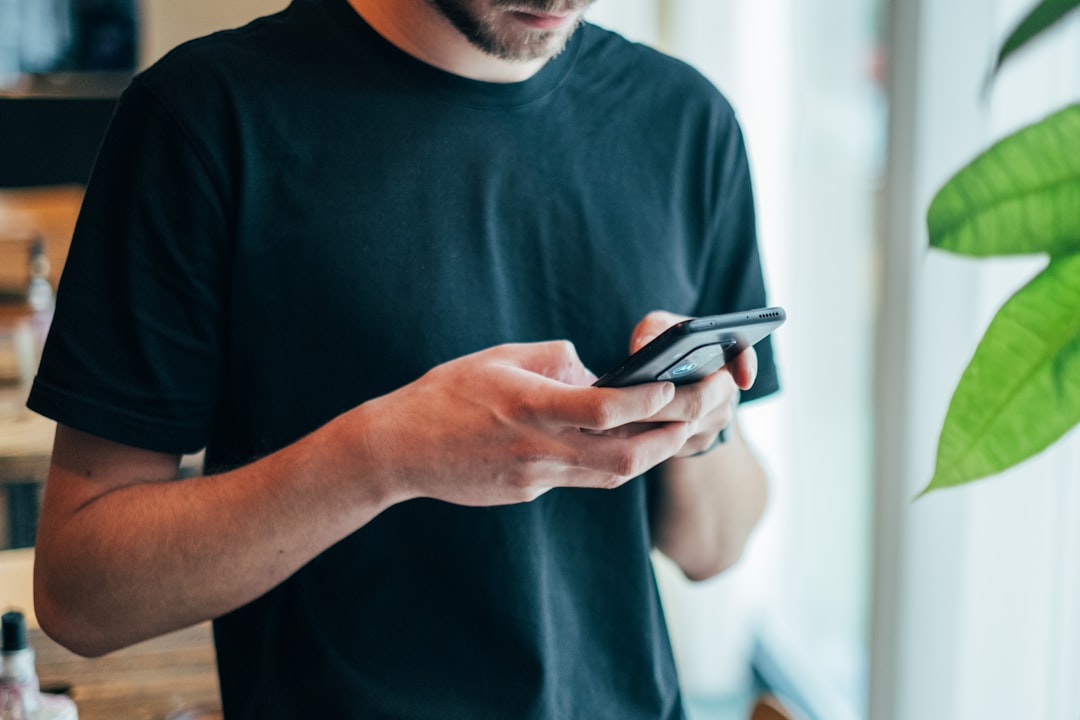
Floridians face a persistent problem with robocalls, with millions of unwanted calls received daily. Protecting your rights against these intrusive calls is essential, and there are strategic steps you can take. A lawyer for robocall laws in Florida recommends several effective solutions to combat this growing issue.
One powerful method involves registering your number on the National Do Not Call Registry. This federal list restricts telemarketers from calling registered numbers without prior consent. However, it's crucial to note that many robocalls bypass this registry due to technological advancements. Therefore, a complementary approach is to invest in a reliable robocall blocker. These applications and devices employ advanced algorithms to identify and block automated calls, offering a robust defense against unwanted intrusions. For instance, some popular options include CallBlock and NoRobo, with user reviews praising their effectiveness.
Moreover, staying informed about local laws is vital. Florida has specific regulations regarding robocalls, including restrictions on when and how they can be made. A lawyer specializing in this area can provide tailored advice, ensuring you understand your rights and the legal boundaries set for telemarketers. They may also assist in taking action against persistent violators, as reported by the Federal Trade Commission (FTC), which has received millions of complaints about robocalls nationwide. By combining technological tools with legal knowledge, Floridians can reclaim their privacy and peace of mind from this modern-day nuisance.