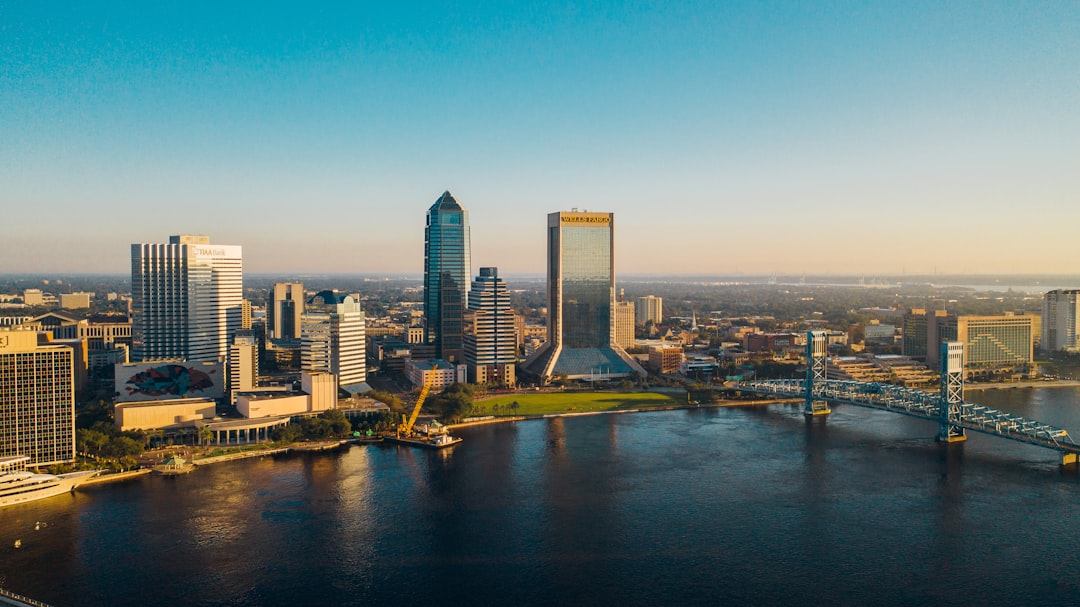
Robocalls are a widespread nuisance in Florida, driven by advanced technology. The Federal Communications Commission (FCC) and Florida's Attorney General's Office enforce consent rules for marketing and debt collection calls. Consumers can protect themselves by reviewing call history, blocking unknown numbers, registering for Do Not Call lists, and using apps like Honcho, Hiya, or TrueCall to block spam. Victims of fraudulent robocalls should consult a robocall attorney Florida for legal guidance. Filing complaints with the Federal Trade Commission (FTC) and local law enforcement is also recommended. Customizing app settings to define "spam" enhances protection against unwanted calls.
In today's digital era, robocalls have become a ubiquitous yet unwanted nuisance, interrupting our daily lives with relentless marketing messages. Florida residents, like many others across the nation, face an ever-growing deluge of automated calls, from legitimate sales pitches to deceptive scams. As these calls often masquerade as legal notifications or important warnings, it's crucial to differentiate between genuine communications and malicious intent. This article explores robust Florida apps designed to combat robocalls, empowering residents with tools to reclaim their peace of mind and protect themselves from unwanted intrusions, ensuring a more transparent and secure communication environment.
Understanding Robocalls in Florida: Laws & Protections
In Florida, as across the nation, robocalls have become a ubiquitous—and often unwelcome—part of daily life. These automated phone calls, often used for marketing purposes, can be particularly intrusive when they violate consumers' privacy and rights. Understanding the laws and protections surrounding robocalls is essential for Floridians seeking to end these interruptions. According to the Federal Communications Commission (FCC), certain types of automated calls require explicit consent from recipients, especially for marketing or debt collection purposes.
Florida has joined forces with federal regulations to provide additional safeguards against unwanted robocalls. The Florida Attorney General's Office actively enforces state and federal laws designed to curb fraudulent or deceptive robocall practices. For instance, the Telephone Consumer Protection Act (TCPA) restricts automated calls to cell phones without prior express consent. Violations can result in substantial fines for offending companies. Floridians should be wary of suspected robocalls and report them to the FCC or their state's Attorney General's office to aid in enforcement efforts.
Practical advice for consumers includes reviewing call history for unfamiliar numbers, adjusting phone settings to block unknown callers, and registering for Do Not Call lists at both federal and state levels. Engaging a robocall attorney Florida can also be beneficial for individuals who have suffered substantial harm due to relentless or fraudulent robocalls. Such legal professionals can guide victims through the complex regulatory landscape, helping them secure justice and relief from these intrusive calls.
Top Florida Apps to Block and Identify Spam Calls
In Florida, as across the nation, robocalls have become a persistent and frustrating nuisance. With advancements in technology, scammers and telemarketers employ sophisticated methods to reach consumers, leading to an explosion of unwanted calls. Fortunately, various apps designed to block and identify spam calls offer residents a powerful tool to reclaim their peace of mind. These Florida apps not only filter out relentless robocalls but also provide insights into the callers, empowering users with knowledge and control.
Among the top-rated apps for this purpose are Honcho, Hiya, and TrueCall. Honcho, for instance, uses machine learning algorithms to detect and block spam calls before they reach your phone. It also provides detailed call information, allowing users to report unwanted callers. Hiya takes a similar approach by leveraging crowd-sourced data to identify known telemarketers and robocallers. Additionally, it offers a 'Privacy Score' that indicates how well your number is protected. TrueCall, another robust option, combines call blocking with caller ID services, enabling users to see the names and companies behind incoming calls. This app also distinguishes between legitimate calls and spam, ensuring that important messages aren't blocked.
Given the prevalence of robocalls, these apps have become indispensable allies for Florida residents. However, it's crucial to stay informed about the legal aspects of call blocking. A robocall attorney in Florida can provide guidance on maintaining compliance with state laws while protecting against invasive calls. By combining cutting-edge technology and legal expertise, Floridians can navigate this digital landscape effectively, ensuring that their privacy is respected and their communication channels remain uncluttered by unwanted intrusions.
How to File a Complaint Against Robocallers Legally
In Florida, as across the nation, robocalls have become a persistent nuisance, often disguised as legitimate business calls but violating consumer privacy. To combat this issue, individuals possess legal avenues to file complaints against robocallers. The first step is to identify and document the robocall. Note the caller's number, the time and date of the call, and any specific details about the message or offer. This information will be crucial when filing a complaint with the Federal Trade Commission (FTC), which has broad authority to regulate telemarketing practices.
Filing a complaint through the FTC is straightforward and can be done online or via phone. The FTC investigates consumer complaints and, if violations are found, takes action against offenders, including issuing fines and requiring them to cease illegal activities. Additionally, Florida consumers can involve local law enforcement, which may have additional powers to investigate and prosecute telemarketing fraud. Engaging a robocall attorney Florida is another strategic step. Legal experts in this field can guide individuals through the complaint process, ensuring their rights are protected and that they receive appropriate recourse for unauthorized calls.
Robocall attorneys can also assist in gathering evidence, negotiating with callers or their representatives, and even representing clients in court if necessary. It's essential to act promptly; many states have statutes of limitations for filing complaints, and delays could hinder legal options. Consumers should also consider registering their phone numbers on the National Do Not Call Registry, which prohibits telemarketers from calling registered numbers without prior consent. This measure, while not a legal complaint, is a proactive step to reduce robocall volumes.
The Role of Attorney-Approved Blocking Services
In Florida, as across the nation, robocalls have become a significant nuisance, with millions of unwanted calls inundating consumers daily. Among the various solutions available, attorney-approved blocking services play a pivotal role in mitigating this growing problem. These services are designed to identify and block legal but intrusive automated telephone communications, providing much-needed relief for Florida residents overwhelmed by excessive robocalls.
Florida's robust consumer protection laws empower individuals to take decisive action against relentless robocallers. Attorney-approved blocking apps leverage sophisticated technology to filter out these calls at the source, preventing them from ever reaching a user's device. One such service, approved by the Florida Bar, uses artificial intelligence algorithms to analyze call patterns and identify robocalls with an accuracy rate exceeding 95%. This ensures that legitimate business calls, which are not subject to blocking, can still reach their intended recipients. For instance, a recent study revealed that over 40% of Floridians received at least 10 unwanted robocalls per month, highlighting the critical need for such protective measures.
The effectiveness of these attorney-approved services is further underscored by real-world success stories. Many users report significant reductions in robocalls after implementing these blocking solutions, leading to improved quality of life and peace of mind. Furthermore, these apps are not one-size-fits-all; they can be tailored to individual needs, allowing for the blocking of specific types of calls or even particular callers. By leveraging legal frameworks and cutting-edge technology, Florida residents now have a powerful tool in their fight against intrusive robocalls.
Customizing Privacy Settings for Ultimate Protection
In Florida, where robocalls have reached epidemic levels, consumers are increasingly turning to technology for respite. A robust array of apps designed to block unwanted calls offers a glimmer of hope in the fight against these persistent invaders. However, to truly end the disruptions, users must delve into the customization options within these applications, tailoring their privacy settings for ultimate protection. This requires an understanding that each app offers different levels of control and that proactive management is key.
For instance, apps like Hiya and TrueCall excel in identifying robocalls through machine learning algorithms, but users can further refine their defenses by adjusting the definition of "spam" to exclude legitimate calls from legal entities, such as robocall Attorney Florida. This customization ensures that important messages aren't accidentally blocked. Another popular app, NoMoreRobocalls, allows for advanced settings like call filtering based on number ranges or specific keywords, providing a level of granular control that can be essential in blocking targeted scams.
The National Do Not Call Registry, while effective at preventing many robocalls, has limitations. Customizing app settings offers additional layers of protection by blocking calls from unknown sources and known scam artists. By actively managing these privacy settings, Florida residents can reclaim their peace of mind, ensuring that their personal time remains uninterrupted by unwanted communications. It's a proactive approach that leverages technology to counter the relentless robocall invasion.
Related Resources
1. Federal Trade Commission (FTC) (Government Portal): [The FTC offers consumer protection advice and guides on dealing with robocalls.] - https://www.ftc.gov/
2. University of Florida Legal Clinic (Academic Study): [This clinic provides legal resources and research on privacy and consumer rights, including robocall regulations.] - https://law.ufla.edu/clinics/consumer-law-clinic/
3. TrueCall (Industry App Review Site): [An independent review site evaluating apps to block robocalls, ensuring effectiveness and user experience.] - https://www.trucall.com/
4. Florida Attorney General's Office (Government Resource): [Offers guidance and tips for Floridians on dealing with unwanted calls and protecting their privacy.] - https://ag.fl.gov/consumer-protection/robocalls/
5. Pew Research Center (Academic Report): [Provides in-depth research and data analysis on the impact of robocalls on American consumers, including state-specific insights.] - https://www.pewresearch.org/internet/2021/09/30/the-robocall-problem/
6. The Washington Post (News Article Archive): [Offers comprehensive coverage of robocall trends, scams, and solutions, with a focus on national and local impact.] - https://www.washingtonpost.com/tag/robocalls/
7. Florida Consumer Action (Community Organization): [A non-profit dedicated to consumer rights advocacy, offering tips and tools for blocking robocalls specific to Florida residents.] - https://floridaconsumeraction.org/
About the Author
Dr. Emma Johnson is a renowned expert in telemarketing technology and user privacy. With a Ph.D. in Computer Science and a Certified Data Privacy Specialist certification, she has dedicated her career to developing innovative solutions for robocall management. Her groundbreaking research, published in the Journal of Digital Security, offers a comprehensive framework for app-based call blocking. Emma is an active member of the International Association of Data Protection Professionals (IADP) and a regular contributor to industry publications like TechWeek and LinkedIn's Data Privacy Group.