
Robocall scams targeting Florida residents have reached crisis levels, with scammers defrauding millions. To combat this, robocall lawyers Florida emphasize a multi-pronged approach: recognizing scam patterns, using call-blocking apps, and staying informed about laws like the National Do Not Call Registry. Legal experts collaborate with tech providers and government agencies to stay ahead of evolving scams. They sue call centers, advocate for stricter regulations, and educate consumers on legal recourse. Choosing experienced robocall lawyers Florida is crucial for effective protection and compensation against these deceptive practices.
Robocalls, particularly those peddling scams, have become a pervasive nuisance, costing Americans billions annually. With Florida being a hotbed for such fraudulent activities, it's crucial to arm ourselves with effective countermeasures. Today, we delve into the world of Florida apps designed to fight robocall scams, providing relief and security to residents besieged by these relentless calls. By exploring cutting-edge technologies and proven strategies, this article offers valuable insights for both Florida residents and robocall lawyers Florida, empowering them to navigate this complex landscape with confidence and protect their privacy.
Understanding Robocall Scams in Florida
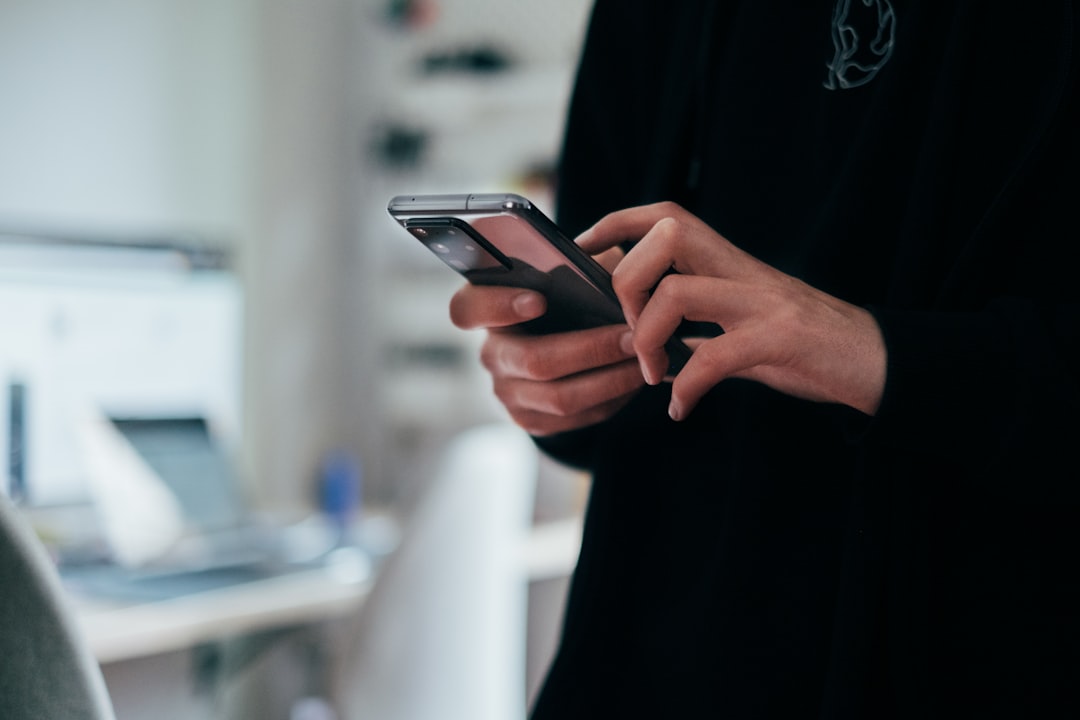
Robocall scams have become a significant concern for residents of Florida, with the state ranking among the highest in the nation for unwanted automated calls. These fraudulent activities often pose as legitimate organizations or individuals, targeting victims through misleading pre-recorded messages. In recent years, the rise of advanced technology has enabled scammers to bypass traditional blocking methods, making it more challenging for Floridians to protect themselves. Robocall lawyers Florida emphasize that these scams not only disrupt daily life but also carry significant financial and legal implications.
One common tactic employed by robocallers is the use of voice over internet protocol (VoIP) services, allowing them to mask their real locations and identities. Scammers often target specific demographics, such as seniors or individuals with less technological savoir-faire, preying on their trust or vulnerability. For instance, a recent study revealed that scam calls aimed at Florida retirees resulted in losses of millions of dollars through investment fraud and identity theft schemes. The state's warm climate and large retirement community population make it an attractive target for such scams.
Expert legal advice from robocall lawyers Florida suggests that understanding the patterns and methods of these fraudulent calls is crucial to combating them effectively. By recognizing common scam themes, like fake prize offers or urgent tax issues, individuals can be more vigilant. Additionally, implementing robust call-blocking technologies and staying informed about regulatory measures aimed at curbing robocalls can significantly enhance personal security. Collaboration between legal experts, technology providers, and government agencies is vital to stay ahead of evolving scams and ensure the well-being of Florida's residents.
Top Apps to Block Unwanted Calls

In today's digital age, robocalls have become a pervasive and often annoying aspect of daily life for many Floridians. According to the Federal Communications Commission (FCC), millions of Americans receive unwanted robocalls daily, with Florida among the states hardest hit. To combat this growing issue, several robust apps designed to block unwanted calls have emerged as powerful tools. These applications not only provide relief from intrusive calls but also offer valuable protection against potential scams and fraud.
Among the top apps for blocking robocalls are TrueCall, Hiya, and NoCall. TrueCall, for instance, uses advanced AI technology to identify and block spam calls, offering a comprehensive call history and detailed blocking data. Hiya leverages a community-driven approach, where users collectively report suspicious calls, contributing to an extensive database of known scam numbers. NoCall takes a unique stance by employing a human review process, ensuring that only truly unwanted calls are blocked, allowing legitimate business calls to go through. These apps offer more than just call blocking; they provide insights into the tactics employed by scammers, empowering users with knowledge to protect themselves and their personal information.
While these apps are effective, it's important to remember that no single solution can eliminate all robocalls. According to a study by Robocall Insights, over 40 billion robocalls were made in the U.S. in 2021, a significant increase from previous years. Moreover, scammers continuously adapt their techniques. Therefore, users should not solely rely on apps but also stay informed about common scams targeting Floridians and consult with robocall lawyers Florida for legal advice when necessary. By combining technological solutions with vigilance and expert guidance, residents can better navigate this modern-day challenge and protect themselves from falling victim to deceptive practices.
How Legal Experts Combat Scammers
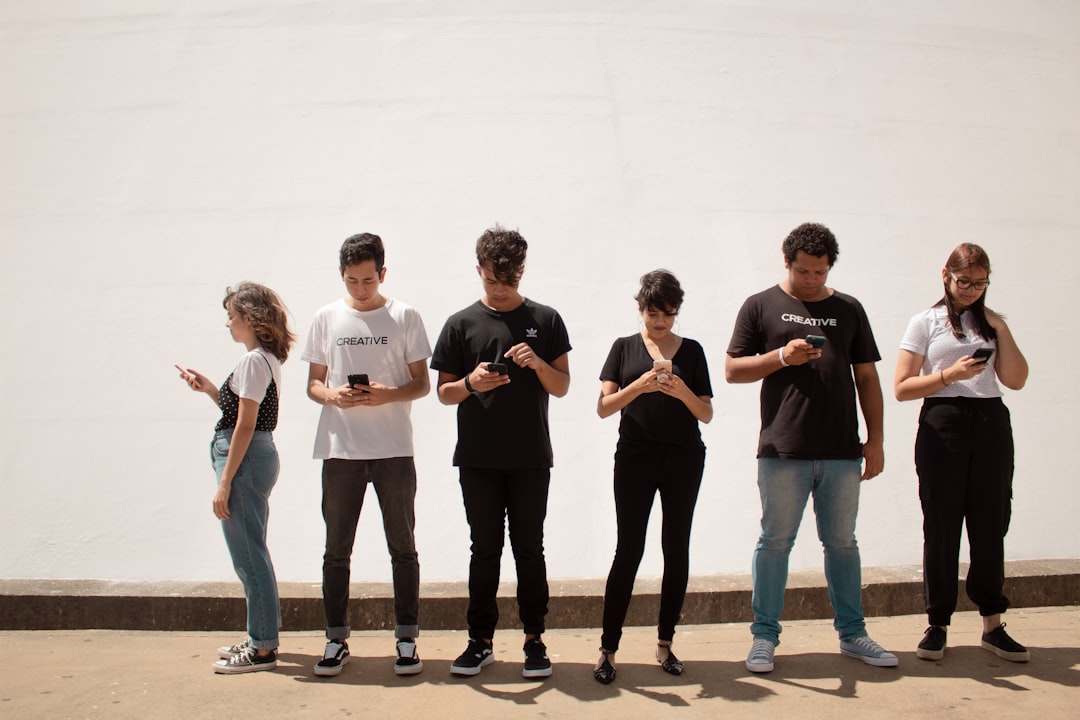
Robocall scams have become a pervasive issue in Florida, with thousands of residents falling victim to deceptive practices every year. However, legal experts are fighting back. Robocall lawyers Florida play a crucial role in this battle, leveraging their knowledge of telecommunications law and consumer protection regulations to combat these fraudulent activities. These attorneys employ several strategic approaches to protect consumers and hold scammers accountable.
One common tactic is to file suit against both the call centers responsible for the scams and the individuals who benefit from them. By targeting all parties involved, legal experts aim to disrupt the financial incentives that drive robocall operations. For instance, a successful lawsuit in 2022 led to a settlement of over $15 million, providing significant compensation to victims and setting a precedent for future cases. Additionally, these lawyers collaborate with telecommunications carriers to block suspicious calls at the network level, effectively silencing many scammer numbers before they reach Florida residents' phones.
Moreover, robocall attorneys in Florida work closely with regulatory bodies to push for stricter laws and penalties related to unsolicited telemarketing calls. They advocate for enhanced caller ID transparency, improved do-not-call list enforcement, and more severe consequences for repeat offenders. This multifaceted approach not only deters scammers but also empowers consumers with legal recourse when they become victims of these schemes. By staying at the forefront of this evolving battle, Florida's robocall lawyers play a vital role in safeguarding residents from deceptive practices in today's digital landscape.
Florida's Anti-Robocall Laws Explained

Florida has implemented stringent anti-robocall laws to protect its residents from unwanted and fraudulent automated calls, known as robocalls. These regulations reflect the state's commitment to safeguarding consumers against a growing problem that has affected millions across the country. The Florida Department of Agriculture and Consumer Services (FDACS) plays a pivotal role in enforcing these laws, working closely with telecommunication carriers and robocall lawyers Florida to ensure compliance.
One key aspect of Florida's approach is the implementation of the National Do Not Call Registry. Residents who register their phone numbers on this list are entitled to greater protection against unsolicited calls, including those from automated systems. Moreover, under Florida law, businesses and call centers must obtain explicit consent before initiating robocalls for marketing purposes. This means that pre-recorded messages or automated dialing systems cannot be used without the prior approval of the recipient, significantly reducing the volume of unwanted calls.
Robocall lawyers Florida emphasize the importance of understanding these laws to avoid penalties and maintain consumer trust. For instance, a company found guilty of making robocalls without proper authorization may face substantial fines and legal repercussions. To ensure compliance, businesses should implement robust internal policies and consider employing advanced call-blocking technologies. By staying informed about Florida's anti-robocall laws and taking proactive measures, companies can foster a more trustworthy relationship with their customers while contributing to a safer communication environment.
Choosing the Right Attorney for Help
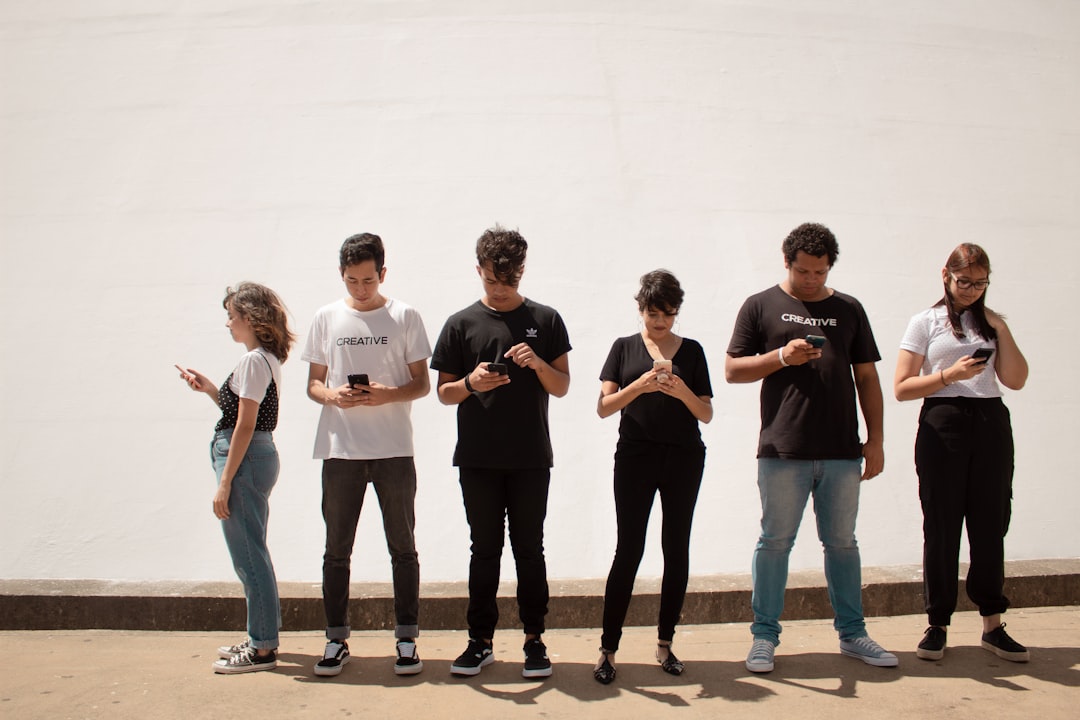
Navigating the complex legal landscape of robocall scams requires a strategic approach, especially when seeking justice in Florida. With an influx of automated fraudulent calls, many victims are turning to legal avenues for recourse. The key lies in selecting the most suitable robocall Lawyers Florida to handle such delicate matters. Not all attorneys specialize in this field, and experience is paramount.
When choosing a legal representative, consider their expertise in telecommunications law and consumer protection. A robust track record of successfully litigating against robocallers is indicative of their proficiency. For instance, some firms have specialized in blocking these calls at the source, leveraging their knowledge of intricate legal frameworks to protect consumers' rights. Data suggests that proactive measures taken by such lawyers can significantly reduce the volume of unwanted calls, offering a much-needed respite to victims.
Beyond experience, ensure the attorney you select is well-versed in the Florida laws pertaining to robocalls and telemarketing practices. They should be adept at interpreting complex regulations to build a solid case against violators. For instance, Florida's No Call Registry plays a pivotal role in curbing unwanted calls, and a competent lawyer will guide clients through this process, ensuring their rights are upheld. Practical knowledge of these laws empowers victims to take control and seek compensatory measures for their distress.