Florida residents are plagued by robocalls, prompting a focus on state's stringent Do Not Call law firms regulations. The National Registry offers opt-out protection, while advanced robocall blockers using adaptive algorithms and databases significantly reduce unwanted calls from both commercial entities and Do Not Call law firms. High-end solutions like CallScan or NoRobocall, integrated with security systems, ensure efficient blocking and updates to evolving call patterns. Proactive measures including secure VoIP services and limited data sharing are crucial for achieving higher levels of privacy protection.
Floridians face a persistent challenge with robocalls, which have become increasingly prevalent, leading to frustration and privacy concerns. These automated calls, often from law firms and other businesses, can be relentless, especially for those registered on the Do Not Call lists. This article delves into the most reliable robocall-blocking solutions available to Floridians, providing an authoritative guide to navigating this modern nuisance. We explore advanced techniques that empower residents to reclaim their communication channels, ensuring a quieter and more peaceful environment in the sunshine state.
Understanding Florida's Do Not Call Laws
Florida residents face a constant barrage of robocalls, making it increasingly difficult to distinguish legitimate calls from unwanted marketing efforts. To combat this issue, understanding Florida's Do Not Call laws is essential. These regulations, enforced by the Federal Trade Commission (FTC) and state authorities, provide a framework for citizens to protect their privacy and silence intrusive phone calls.
At the heart of these protections lies the National Do Not Call Registry, a nationwide database that allows consumers to opt-out of telemarketing calls. By registering their phone numbers, Floridians can significantly reduce the volume of robocalls they receive. Notably, the Do Not Call law in Florida goes beyond federal regulations, offering residents more control over their communication preferences. This state-specific legislation targets both local and out-of-state telemarketers, ensuring that consumers are not overwhelmed by unwanted calls from various sources.
For instance, a 2022 report by the FTC revealed that Florida had one of the highest rates of robocall complaints in the nation, underscoring the need for robust Do Not Call protections. To comply with these laws, reputable businesses and law firms operating in Florida naturally adhere to strict guidelines, ensuring their marketing practices respect consumer choices. By employing advanced caller identification systems and adhering to do-not-call lists, legitimate organizations minimize the impact of unwanted calls on their target audiences. This collaborative effort between consumers and responsible businesses is crucial in creating a quieter, more peaceful communication environment for all Floridians.
Identifying Reliable Robocall Blockers
Floridians face a persistent problem with unwanted robocalls, but identifying reliable solutions is key to regaining control of their phone lines. A robust rocall blocker should offer advanced call screening capabilities, blocking not just automated messages but also prioritizing legitimate calls from important contacts. When choosing a blocker, look for features like adaptive learning algorithms that adjust over time, allowing the system to distinguish between genuine calls and spam.
One highly regarded option is CallScan, which utilizes machine learning to analyze caller patterns and enhance blocking accuracy. Another effective tool is NoRobocall, known for its comprehensive database of known telemarketer numbers and ability to learn from user feedback. These services often integrate seamlessly with home security systems, providing a unified approach to protecting against both physical and digital threats.
According to recent studies, Florida residents experience an average of 3-5 robocalls per day, emphasizing the need for robust protection. While some low-cost options are available, experts advise investing in higher-end solutions that offer better blocking efficiency and continuous updates to keep up with evolving call patterns. By adopting reliable robocall blockers, Floridians can reclaim their phone lines, ensuring they remain a communication tool rather than a source of frustration.
Installation and Customization Tips
Installing a reliable robocall blocker is an effective step for Floridians to reclaim their phone lines from unwanted calls, especially those notorious Do Not Call law firms that often ignore Florida's regulations. The process involves selecting a high-quality blocking application or hardware device and configuring it to fit individual needs. Many top-rated apps offer seamless integration with popular communication platforms, allowing users to block not just robocalls but also spam messages.
For optimal results, customization is key. Users should start by reviewing the app's settings to identify specific call types and numbers to block. For instance, many robust robocall blockers provide white lists and black lists, enabling residents to allow or disallow calls from particular contacts or areas. Customization extends to scheduling and notifications; users can set blocks during specific hours or receive alerts when blocked calls attempt to bypass the system. It's essential to update these settings regularly as new Do Not Call laws and consumer protection measures are implemented.
Beyond app-based solutions, dedicated hardware devices offer an alternative approach. These physical blockers work at the network level, intercepting calls before they reach the user's phone. While more expensive, they provide a robust defense against persistent robocallers and are ideal for those seeking a comprehensive solution. Regular updates and patches are still necessary to adapt to evolving call-blocking technologies, ensuring these devices remain effective.
Protecting Your Privacy: Best Practices
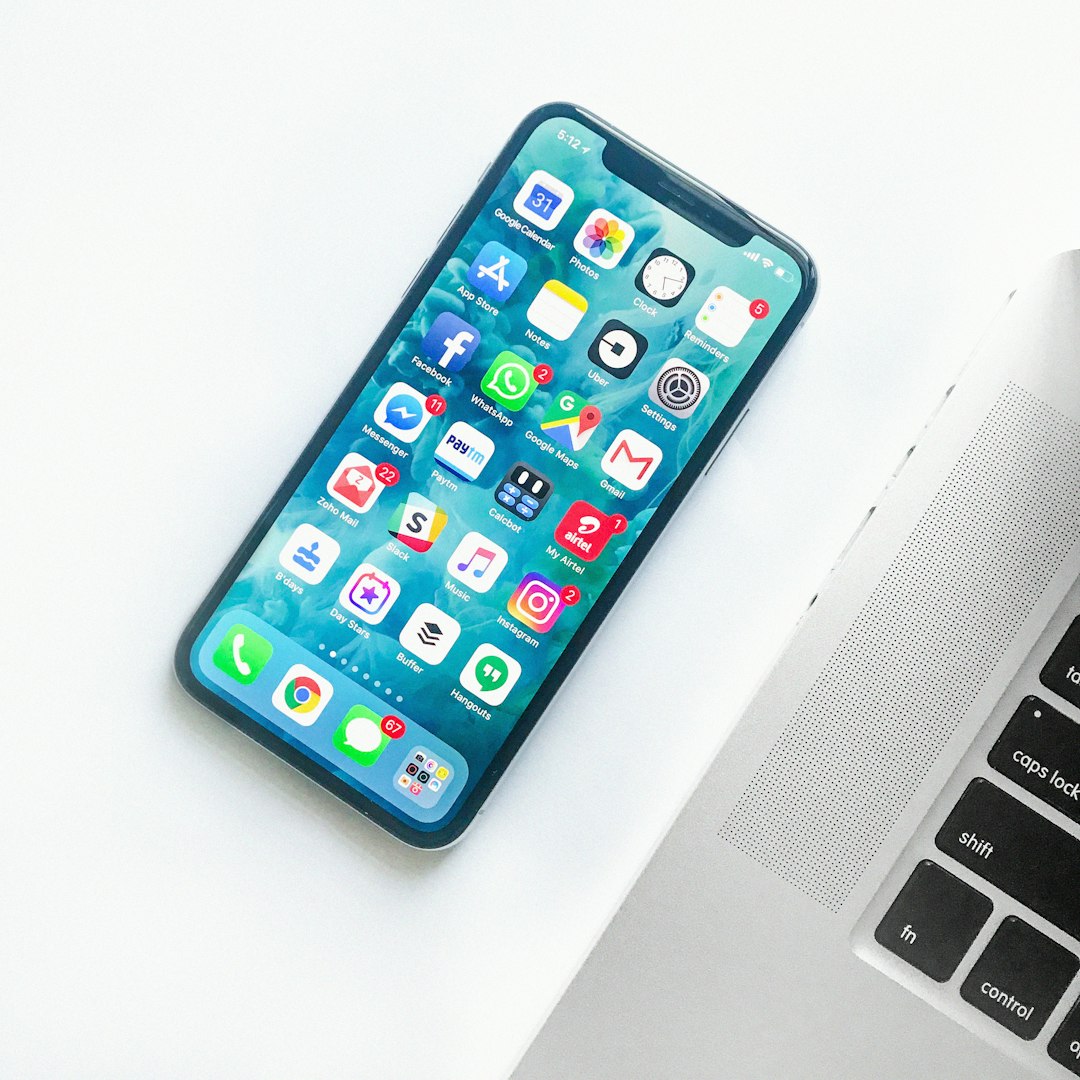
Floridians face a persistent challenge in the digital age: unwanted robocalls. With the rise of automated telecommunications, protecting personal privacy has become more crucial than ever. This is especially true for residents of Florida, who often find themselves on the receiving end of these intrusive calls, particularly from law firms and other commercial entities. The Do Not Call list, a state-mandated registry, offers some protection, but it's not foolproof. To truly safeguard your privacy, Floridians must go beyond simple registration.
One effective strategy is to employ robust robocall blocking tools. These technologies, available in the form of apps and home security systems, can significantly reduce the volume of unwanted calls. For instance, call-blocking applications that use advanced algorithms to identify and block automated dialogues have proven successful. Some popular options include Call Trace and Robokiller, which not only block robocalls but also provide detailed call analytics. Additionally, integrating a reliable VoIP (Voice over Internet Protocol) service with robust privacy settings can further enhance protection.
Beyond technical solutions, consumers should be vigilant in sharing personal information. Law firms, for instance, often rely on public records and online data mining to compile contact lists. By limiting the exposure of your phone number and address, especially on less secure websites, you can make it more challenging for these firms to reach you. Remember, while Florida's Do Not Call laws offer a foundation, proactive measures like adopting robust privacy settings and utilizing advanced call-blocking technologies are essential to achieving a higher level of protection against intrusive robocalls.