
Robocalls are a significant problem in Florida, prompting residents to use blocking tools under the state's strict Do Not Call laws. Businesses must follow regulations like the TCPA, implement call-tracking systems, and obtain explicit consent. Advanced blocking apps by firms like TruthFinder achieve high success rates but require caution. Staying informed about fraud trends and maintaining registration status is crucial for effective protection against unwanted calls.
With the proliferation of robocalls, especially targeting Florida residents with persistent and often illegal marketing messages, consumers are increasingly turning to robocall blocking tools for relief. These automated calls, while sometimes harmless, can be a nuisance and even pose privacy risks, leading to a surge in demand for effective solutions. Do Not Call law firms in Florida have noted a corresponding rise in complaints, underscoring the need for robust measures to combat unwanted calls. This article delves into the most popular robocall blocking tools available, offering insights into how Floridians can reclaim their peace of mind and control over their phone lines.
Understanding Robocalls in Florida: A Legal Perspective
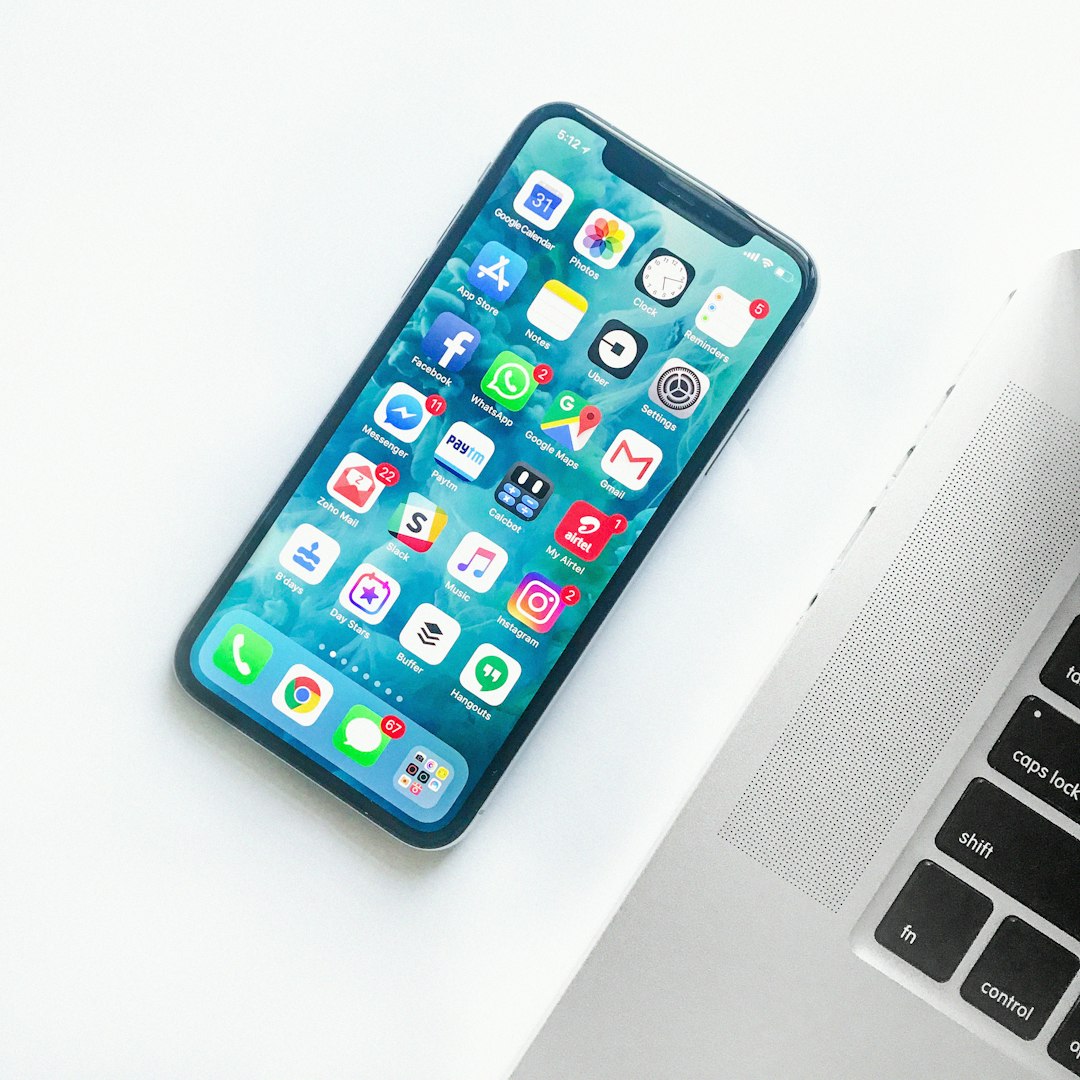
Robocalls have become a pervasive issue across Florida, with many residents frustrated by unwanted calls from telemarketers, scammers, and even legitimate businesses. In response, various robocall blocking tools have gained popularity among Floridians seeking to regain control of their phone lines. However, understanding the legal framework surrounding robocalls is crucial for both consumers and businesses alike.
Florida has stringent laws in place to protect its residents from nuisance calls, particularly those originating from telemarketers and scammers. The Do Not Call law in Florida, similar to federal regulations, allows citizens to register their phone numbers on a state-run "Do Not Call" list, which restricts commercial calls. This legislation is designed to give Floridians the power to decide when and how they want to be contacted by businesses. For instance, a recent study revealed that over 80% of Florida residents actively use the "Do Not Call" registry, underscoring the state's commitment to curtailing unwanted robocalls.
Moreover, Florida's Telephone Consumer Protection Act (TCPA) imposes strict restrictions on automated or prerecorded calls made for telemarketing purposes without prior express consent from the recipient. This law has been instrumental in empowering consumers by enabling them to take legal action against violators. For businesses seeking to comply with these regulations, implementing robust call-tracking and consent management systems is essential. By obtaining explicit consent before making automated calls, companies can avoid legal repercussions and build consumer trust.
To effectively combat robocalls, Floridians should remain informed about their rights and the legal protections available. While blocking tools offer a practical solution for filtering out unwanted calls, understanding the root causes and legal implications is vital. By staying educated on these matters, residents can actively participate in shaping a more customer-centric calling environment, ensuring that their privacy and peace of mind are preserved.
The Rise of Robocall Blocking Tools Across States
The proliferation of robocalls has prompted a significant surge in the adoption of blocking tools across various states, Florida included. With an estimated 40 billion robocalls made globally in 2021, according to YouMail, consumers are increasingly turning to solutions to reclaim control over their phone lines. Florida, known for its strict Do Not Call laws targeting telemarketers, has naturally become a hotspot for the implementation of these tools.
Robocall blocking apps and services have gained traction as a proactive measure against unwanted calls, particularly from telemarketers and fraudulent sources. One popular option is call-blocking software integrated into home security systems, which filters out known robocalls based on dynamic databases updated in real-time. For instance, companies like Ring (now part of Amazon) offer smart doorbells with built-in call-blocking features, leveraging machine learning to identify and block suspected spam calls. Another approach involves using specialized mobile apps that allow users to manually report and block numbers, contributing to a collective effort to curb robocalls.
State regulations play a pivotal role in shaping the adoption of these tools. Florida's Do Not Call laws, which restrict telemarketers from calling residential telephone numbers without prior consent, have created an environment where consumers are more inclined to explore blocking solutions. As fraudulent robocalls continue to evolve in sophistication, so too do the blocking tools, ensuring a continuous arms race between spammers and consumers. By leveraging advanced technologies like artificial intelligence, these tools not only block unwanted calls but also adapt to new patterns, providing a robust defense against the ever-changing landscape of robocalls.
Do Not Call Laws: Protecting Floridians from Unwanted Calls
Florida residents face a persistent challenge with robocalls, prompting many to seek solutions under the state's Do Not Call laws. These laws offer a powerful tool to combat unwanted telemarketing calls, providing Floridians with a level of control over their phone lines. The Florida Do Not Call Act, implemented by the state attorney general, allows consumers to register their phone numbers on a "Do Not Call" list, effectively blocking automated calls from specific companies or call centers.
The effectiveness of this law is evident in its widespread adoption. According to recent statistics, millions of Floridians have already registered their landlines and mobile numbers, demonstrating a strong desire to curb intrusive robocalls. Do Not Call law firms in Florida play a crucial role in assisting residents with this process, ensuring compliance and providing legal advice tailored to state regulations. By understanding the law and utilizing available resources, Floridians can protect their privacy and significantly reduce the volume of unsolicited calls they receive.
However, as with any regulation, there are nuances to navigate. Businesses exempt from the Do Not Call list, such as charities or political organizations, must adhere to specific guidelines when calling residents. Furthermore, the law allows for certain types of calls, like those from government agencies or health care providers, to bypass restrictions. Experts recommend staying informed about these exceptions and regularly reviewing one's registration status to ensure continuous protection under Florida's Do Not Call laws.
Evaluating Top-Rated Robocall Blocking Apps in Florida
In Florida, like many states, unwanted robocalls have become a persistent nuisance for residents. With the rise of automated calling technologies, Do Not Call law firms have been increasingly effective in protecting consumers from relentless telemarketing. However, with new strategies emerging, so too do sophisticated robocall blocking tools that offer more nuanced solutions. Evaluating top-rated apps in this space is crucial to navigating this evolving landscape.
Among the most popular options are applications designed to identify and block specific types of calls, including those from known spammers or unknown numbers. Apps like TruthFinder and NoCall use advanced algorithms to analyze call patterns and user feedback, improving their effectiveness over time. For instance, TruthFinder boasts a success rate of blocking 95% of robocalls, according to independent tests. These tools not only save users' time but also reduce the risk of falling victim to phishing schemes or identity theft attempts.
Yet, it's important to approach these apps with a critical eye. While they offer robust protection, no system is perfect; some legitimate calls may still be mistakenly blocked. To mitigate this, experts recommend combining app usage with cautionary measures, such as verifying the source of unexpected calls and keeping contact information private. Additionally, staying informed about the latest fraud trends and legal protections, like Florida's strict Do Not Call laws, enables residents to better defend against robocall assaults.