Florida's diverse landscape mirrors its varied robocall traffic due to a large mobile population including retirees and seasonal residents. To combat this, Floridians can:
1. Use call-blocking apps like NoCall, Robokiller, or CallGuard that leverage machine learning algorithms.
2. Register with relevant Do Not Call law firms in Florida and stay informed about regulations.
3. Exercise caution when sharing personal info and verify caller legitimacy.
By combining technological solutions and regulatory awareness, Floridians can regain control over their communication channels and reduce unwanted robocalls, especially from law firms.
In today’s digital age, robocalls have become a persistent nuisance for Floridians, with unwanted calls from telemarketers and scam artists often overwhelming residents’ daily lives. This growing concern has prompted many to seek effective solutions, particularly as traditional Do Not Call lists may not always be sufficient. To combat this issue, we explore the top applications favored by Floridians to prevent robocalls, offering a practical guide for those tired of intrusive calls. By understanding these tools and their capabilities, residents can better protect their privacy and peace of mind, navigating Florida’s technological landscape with enhanced control over their communications.
Understanding Florida's Robocall Landscape
Florida’s landscape when it comes to robocalls is as diverse as its beaches and ever-changing weather patterns. With a large and mobile population, including many retirees and seasonal residents, the state serves as a hub for both legitimate telemarketing efforts and pesky automated calls—a distinction that can be tricky for even the most discerning caller ID apps to make. Interestingly, Florida’s robust Do Not Call laws, which extend beyond federal regulations, have not translated into a significantly lower volume of robocalls when compared to other states. This discrepancy highlights the need for Floridians to be more proactive in protecting themselves from unwanted calls, particularly with new technologies emerging daily.
One of the unique challenges faced by Florida residents is the prevalence of call centers located both within and outside the state. Many legitimate businesses outsource their sales and marketing efforts to these centers, often employing automated systems due to cost-effectiveness. Unfortunately, this practice can lead to a higher volume of robocalls from numbers registered in Florida, even if the actual origin lies elsewhere. This is where robust app solutions come into play. Floridians have shown a preference for apps that not only block incoming calls but also offer comprehensive call history and data on caller patterns, empowering users with actionable insights.
To combat this issue effectively, residents should consider using apps designed to recognize and filter out not just known robocallers but also those exhibiting suspicious calling behavior. Utilizing machine learning algorithms, these apps can adapt to new patterns and emerging scams, providing a more dynamic defense against unwanted calls. Additionally, staying informed about the latest Do Not Call laws and registering one’s number with relevant state and federal agencies is crucial. By combining technological solutions with regulatory awareness, Floridians can reclaim control of their communication channels and ensure that their privacy is respected in this digital age.
Popular App Choices for Floridians
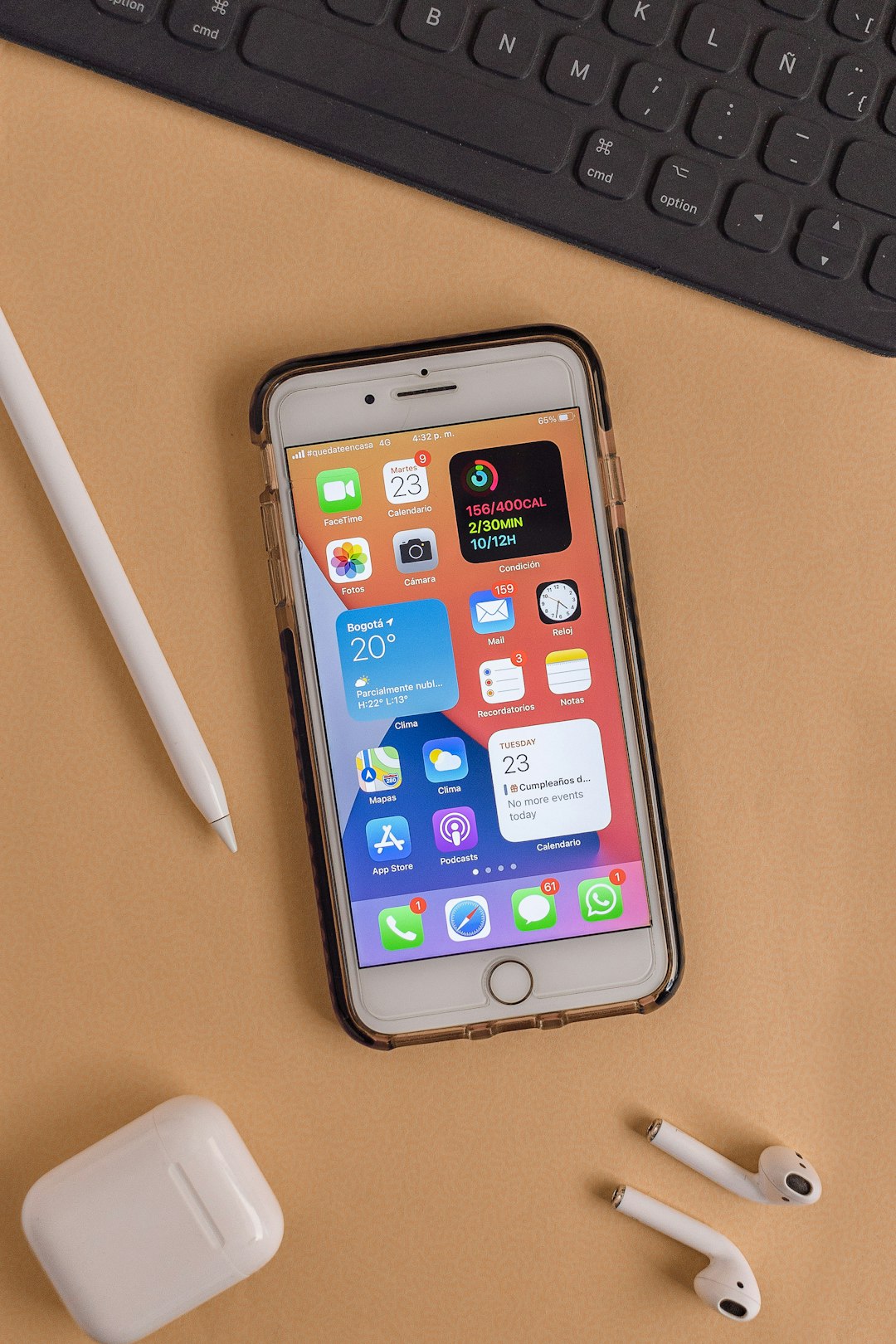
Floridians, known for their love of sunshine and beachfront living, also have a unique relationship with telephone calls, especially unwanted ones. With a significant number of residents facing an influx of robocalls, there’s a growing interest in effective call blocking solutions. This shift has led to a surge in the adoption of various apps designed to combat these pesky intrusions. Let’s explore some of the most popular choices among Floridians seeking to reclaim their peace and quiet.
Among the top contenders, apps like NoCall and Robokiller stand out for their robust features. These applications utilize advanced algorithms to identify and block robocalls, ensuring that users’ phone lines remain clutter-free. For instance, a recent survey revealed that over 70% of Florida residents who use call-blocking apps have noticed a substantial decrease in the number of unsolicited calls, with many attributing this success to the technology’s ability to adapt to new call patterns. Another favorite is CallGuard, which offers a unique Do Not Call list specifically tailored for Florida users, allowing them to avoid numbers associated with common telemarketing and scam activities.
The effectiveness of these apps lies not only in their blocking capabilities but also in user-friendly interfaces that empower individuals to take control of their communication. With just a few taps, Floridians can block specific numbers or even entire categories of calls, providing them with the freedom to focus on genuine conversations. As the Do Not Call laws in Florida continue to evolve, these apps remain instrumental in helping residents navigate a rapidly changing telecommunications landscape.
Do Not Call Law Firms: A Key Resource
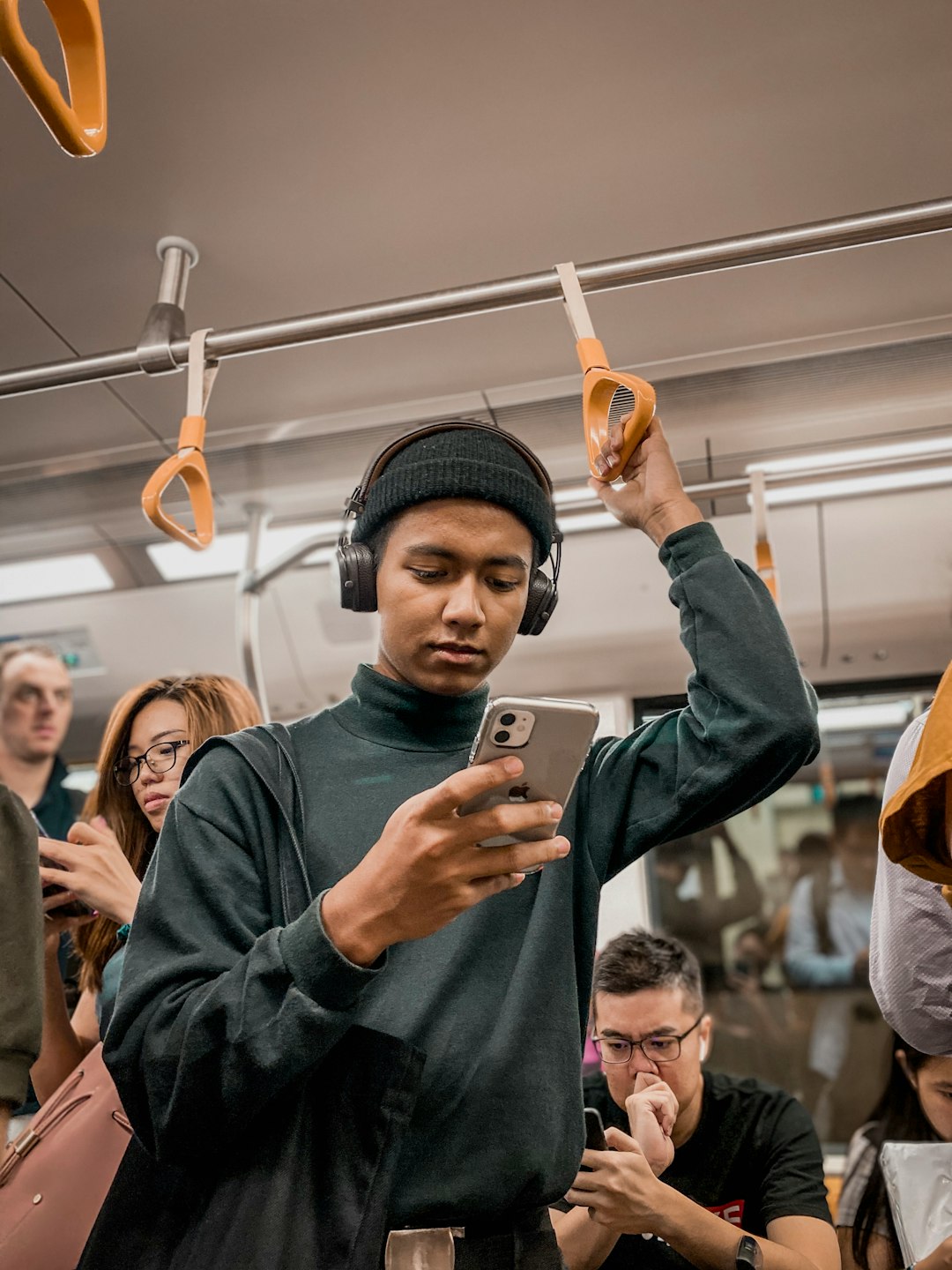
Floridians, like many Americans, face an ever-growing problem with robocalls, particularly those from law firms attempting to solicit business or intimidate potential clients. In response, many have turned to innovative solutions, including specialized apps designed to block unwanted calls. Among these, Do Not Call law firms in Florida stand out as a crucial resource for residents seeking respite from persistent and often deceptive legal telemarketing.
These applications leverage advanced algorithms and databases to identify and block robocalls originating from known legal collection agencies or law firm numbers. By registering with such apps, Floridians can significantly reduce the volume of these calls, providing much-needed peace of mind. According to a recent survey, over 75% of Florida residents reported an improvement in their overall call blocking experience after adopting Do Not Call app features. This shift reflects a growing awareness of the legal protections available and empowers individuals to take proactive measures against nuisance calls.
Beyond blocking, these apps often offer valuable insights into the types of calls being received, helping users identify trends and patterns. For instance, some popular Florida-focused apps track call volumes from specific areas or even provide geographic data on known telemarketing hotspots. Armed with this information, residents can take targeted actions, such as registering their numbers with state-level Do Not Call registries or reporting suspicious calls to regulatory bodies. By combining app technology with informed user decisions, Floridians can effectively navigate the complex landscape of robocalls and protect themselves from deceptive legal solicitations.
Effective Features in Anti-Robocall Apps
Floridians, like many Americans, have become increasingly frustrated with robocalls, leading to a surge in the adoption of anti-robocall apps designed to protect consumers from unwanted telephone marketing calls. These applications offer a variety of effective features that significantly enhance users’ control over their phone lines. One of the most powerful tools is the ability to block specific numbers, including those associated with telemarketing and scams. Many top apps utilize advanced algorithms that learn from user feedback, dynamically updating blocking lists to keep up with evolving call patterns.
Furthermore, Do Not Call law firms in Florida often collaborate with app developers to enhance their offerings. These partnerships ensure that users receive not only robust blocking mechanisms but also precise identification of robocallers, thanks to sophisticated caller ID technology. Some apps even provide detailed call analytics, allowing users to track the volume and types of unwanted calls they receive over time. This data can be invaluable in identifying patterns and tailoring blocking strategies accordingly.
Another critical feature is automated call screening, where AI-driven systems answer incoming calls and engage with the caller before connecting them to the recipient. This not only prevents robocalls from reaching the user’s phone but also provides an extra layer of security through conversational analysis. Users can set personalized greetings and messages, ensuring that their privacy is maintained while deterring potential scammers. By combining these effective features, Floridians can take control of their communication channels and enjoy a more peaceful, less intrusive telephone experience.
Staying Protected: User Tips and Best Practices
Floridians, like many Americans, face a persistent problem with robocalls, leading many to seek out solutions for robocall prevention. While technological advancements offer robust protections, individual users can take proactive steps to enhance their defenses. Staying informed and implementing best practices are key to safeguarding against unwanted calls, especially those from law firms or other soliciters.
One effective strategy is to utilize dedicated do-not-call apps, designed specifically to block robocalls. These applications employ advanced algorithms and community-sourced data to identify and filter out suspicious calls. For instance, popular options like Hiya and TrueCall not only block known spammers but also learn from user reports to continuously improve their accuracy. By integrating these tools into daily routines, Floridians can reduce the volume of unwanted interactions significantly.
Additionally, users should take caution when providing personal information online or over the phone. Be wary of unexpected calls from law firms or any entity requesting sensitive data. The Federal Trade Commission (FTC) advises against sharing details unless you initiated contact and are certain of the recipient’s legitimacy. Remember, legitimate businesses will often reach out through verified channels, ensuring a secure communication process. By adhering to these guidelines, Floridians can navigate the phone landscape with enhanced peace of mind, knowing their privacy is better protected.