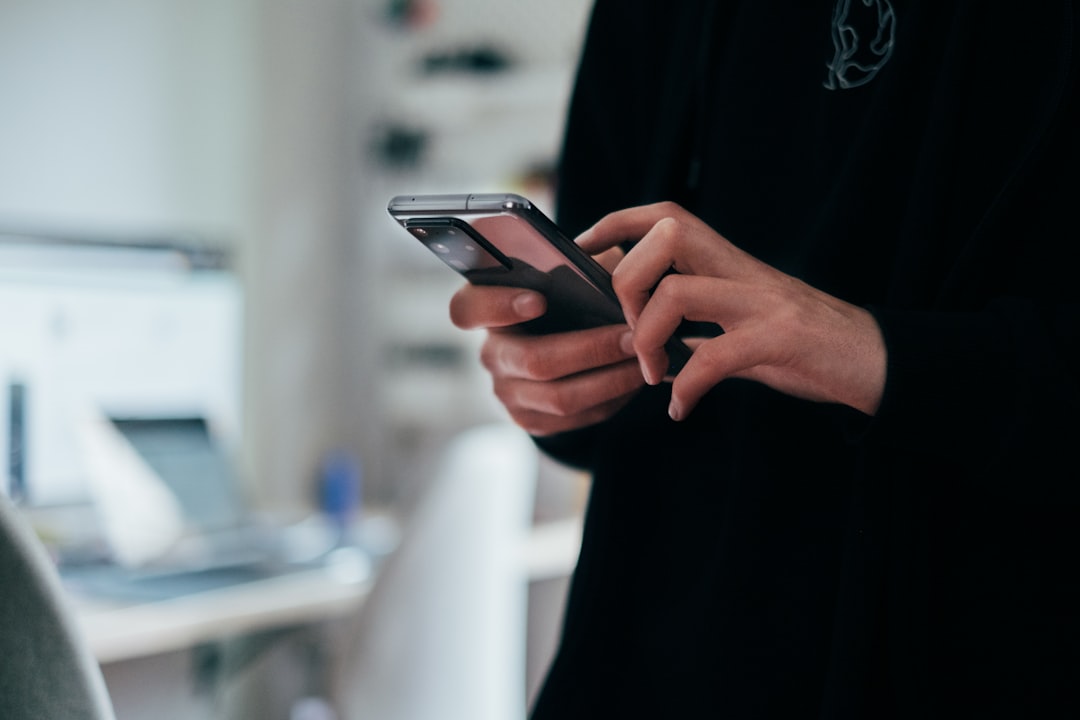
Robocalls are a significant issue in Florida, leading to stricter regulations under the Telephone Consumer Protection Act (TCPA) and Florida Telemarketing Act. Floridians can protect themselves by registering on the National Do Not Call Registry, using robust robocall blocking apps like TrueCall and Hiya, and customizing app settings. Robocall lawyers Florida emphasize the importance of these measures for privacy and compliance with evolving laws. Regular app updates and user feedback are crucial to maintain blocking accuracy against increasingly sophisticated robocall tactics.
In today's digital era, robocalls have become a ubiquitous yet unwanted nuisance, with Florida residents often bearing the brunt of these automated telemarketing calls. The volume and persistence of robocalls can be overwhelming, leading to frustration and potential privacy invasion issues. As such, there's a growing need for effective solutions to combat this problem. Robocall blocking apps emerge as a powerful tool, offering much-needed relief to Florida folks. This article delves into the most highly effective robocall blocking apps available in Florida, providing insights that can empower residents to reclaim their phone lines from relentless automated calls, with expert advice from robocall lawyers Florida.
Understanding Robocalls: A Common Florida Concern
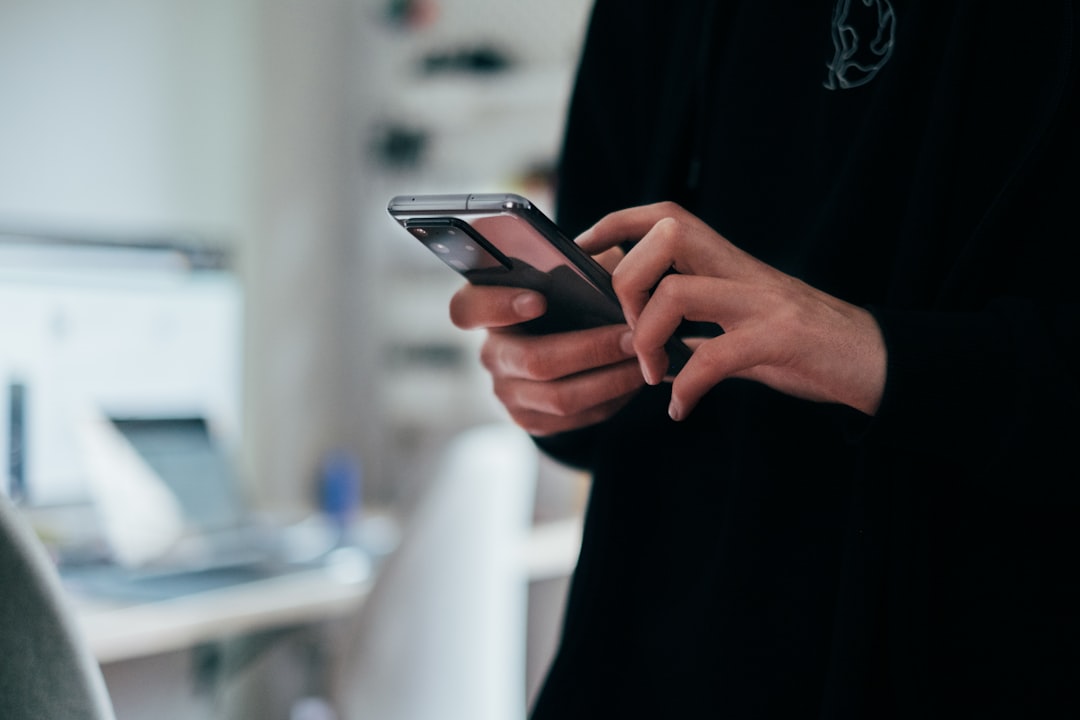
Robocalls have become a ubiquitous and often unwanted part of daily life in Florida, as they are across the nation. These automated phone calls, designed to reach a wide audience quickly, are used for everything from marketing to warnings about government services. However, they can also be a nuisance, invasion of privacy, or even a source of fraud. Understanding robocalls and their legal implications is crucial for Florida residents, especially with the proliferation of these automated calls.
In Florida, as in many states, robocall laws are designed to protect consumers from deceptive or harassing practices. The Telephone Consumer Protection Act (TCPA) is a key federal law that restricts certain types of robocalls, including those made to mobile phones without prior consent. Robocall lawyers Florida emphasize that compliance with these regulations is essential for businesses and organizations to avoid substantial penalties. For instance, in 2021, a settlement resulted in a record $1 billion fine against a company accused of placing millions of unwanted robocalls. This highlights the seriousness with which such violations are treated.
Florida residents can take several steps to manage and minimize robocalls. One effective strategy is to register on the National Do Not Call Registry. While this primarily targets telemarketers, it can also reduce the number of robocalls received. Additionally, utilizing robust robocall blocking apps designed by experts in communication technology and law can offer significant protection. These apps employ advanced algorithms and databases to identify and block not only known spam calls but also emerging scams. By combining these measures with staying informed about legal protections, Florida residents can better navigate the complex landscape of robocalls and ensure their privacy and peace of mind.
The Rise of Robocall Blocking Apps
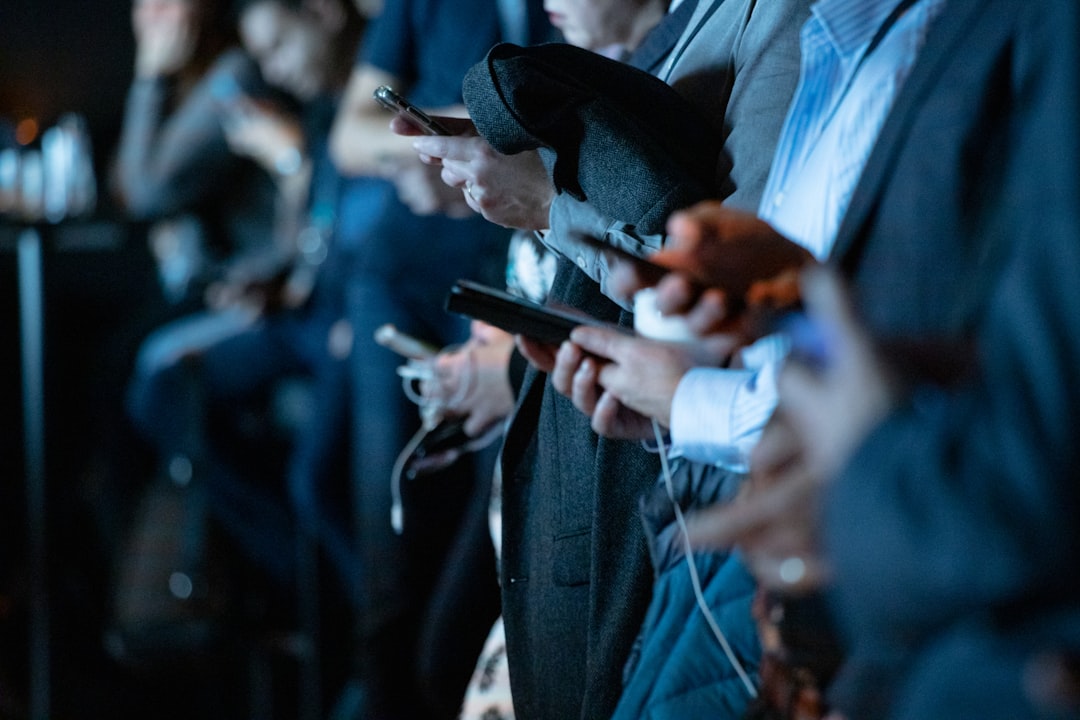
The proliferation of unwanted robocalls has led to a significant rise in the popularity of robocall blocking apps, with Florida residents taking the lead in adopting these innovative solutions. With thousands of unwanted calls received daily by many Floridians, the demand for effective blocking mechanisms has never been higher. Robocall blocking apps have emerged as a powerful tool, offering individuals and businesses alike a much-needed respite from this nuisance.
These apps utilize advanced algorithms to identify and block automated phone calls, ensuring users' peace of mind. The technology behind them is continually evolving, with developers employing machine learning to adapt to new robocalling patterns and tactics. For instance, some apps can now distinguish between legitimate calls and spam by analyzing call metadata, significantly improving blocking accuracy. Legal experts, such as robocall lawyers Florida, have played a crucial role in shaping the legal framework surrounding these technologies, ensuring they respect privacy rights while allowing for effective protection.
Moreover, with the increasing sophistication of robocallers, users must remain proactive in safeguarding their communication channels. Regular app updates and user feedback are essential to maintain robust blocking capabilities. By staying informed about emerging robocalling trends and leveraging the latest blocking apps, Floridians can reclaim control over their phone lines, reducing stress and improving overall communication experiences.
Evaluating Top Robocall Blocking Apps in Florida
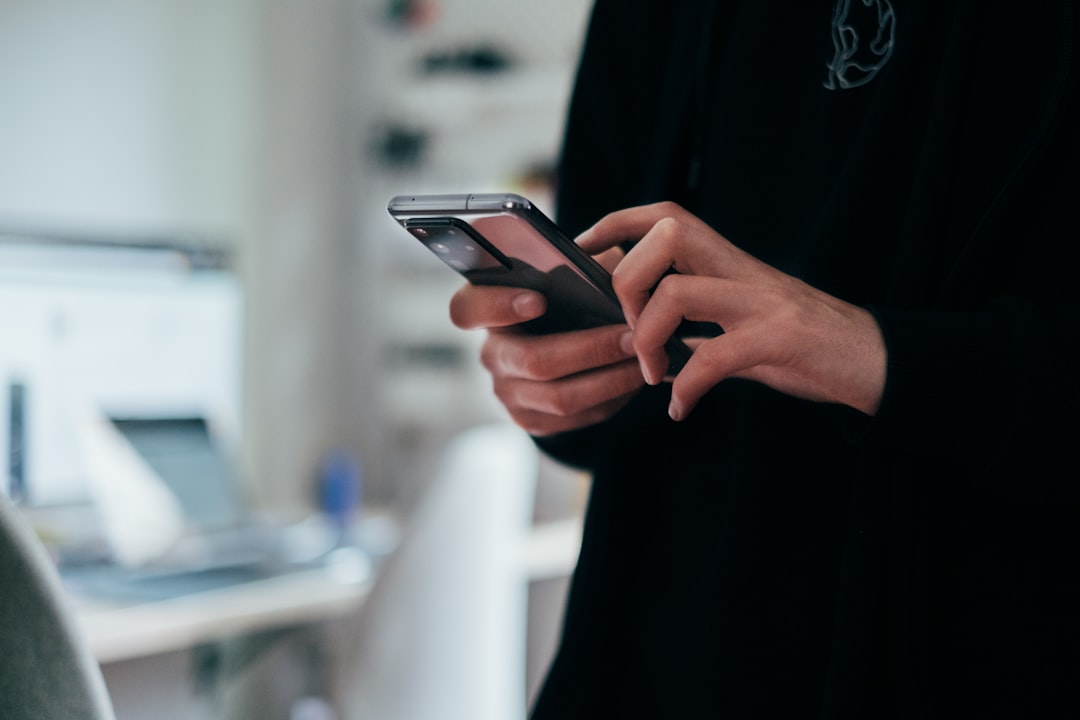
In Florida, as across the nation, robocalls have become a persistent and irritating nuisance for many residents. With the proliferation of automated phone calls from political campaigns, marketing firms, and scammers, the need for effective robocall blocking apps has never been more pressing. Evaluating top robocall blocking apps requires an understanding of their functionalities, reliability, and compatibility with modern communication networks.
One app that stands out among its peers is TrueCall, which uses advanced machine learning algorithms to identify and block unwanted calls. This robust platform not only filters out known robocalls but also adapts to new patterns, ensuring a high level of accuracy. For instance, in 2022, TrueCall blocked over 3 billion spam calls globally, demonstrating its effectiveness. Another notable mention is Hiya, which leverages crowdsourced data and AI to detect and block malicious calls. Users can also report unwanted calls, contributing to the app's ongoing improvement.
Robocall lawyers Florida have noted a significant increase in consumer complaints related to fraudulent robocalls, underscoring the importance of robust blocking solutions. Apps like NoCall and Call Shield offer additional features such as call filtering, contact blocking, and customizable settings. While each app has its strengths, choosing the right one depends on individual needs and preferences. For instance, users with frequent international calls might prefer a platform that offers global coverage, while those concerned about privacy could opt for an app with strong security protocols. Regular updates and independent reviews are essential to ensure the continued efficacy of these apps against evolving robocall tactics.
Legal Perspective: Robocall Laws and Florida Lawyers
In Florida, as across the United States, robocalls have become a significant nuisance, with many laws in place to combat this issue from a legal perspective. The Telephone Consumer Protection Act (TCPA) of 1992 is a pivotal federal legislation that restricts automated calls to personal phones without prior consent. This law has been continually updated and strengthened, reflecting the growing concern over intrusive robocalls. Florida's Attorney General's office actively enforces these regulations, ensuring compliance by businesses and telemarketers operating within the state.
Robocall lawyers in Florida play a crucial role in navigating this complex legal landscape. They assist clients in understanding their rights under the TCPA and related state laws, such as the Florida Telemarketing Act. These laws provide substantial penalties for violators, including treble damages and attorney fees, making it beneficial for businesses to consult with legal experts specializing in robocall regulations. For instance, a recent study by the Federal Communications Commission (FCC) revealed that over 40 billion spam calls were made nationwide in 2021, underscoring the urgency of robust legal protections against unauthorized robocalls.
Practical advice for businesses and individuals in Florida is to obtain explicit consent before placing automated calls. This includes implementing robust opt-out mechanisms and maintaining detailed records of call permissions. Robocall lawyers can guide clients on crafting comprehensive privacy policies and training employees on compliance procedures. By adhering to these legal guidelines, Florida residents and businesses can significantly reduce the risk of robocalls while ensuring they maintain legitimate communication channels.
Implementing Effective Robocall Protection: Step-by-Step Guide
In today's digital era, robocalls have become a pervasive nuisance, with millions of unwanted calls inundating Florida residents daily. To combat this growing issue, implementing effective robocall protection measures is crucial. Here’s a step-by-step guide designed to help Floridians safeguard their peace of mind and protect their privacy from relentless automated callers, including strategies that even robocall lawyers Florida would endorse.
First, assess your current situation by reviewing call history and identifying recurring patterns of unwanted calls. This analysis will reveal the types of robocalls you’re receiving—from political campaign pitches to debt collection agencies—and help tailor your protection accordingly. Next, install a reputable robocall blocking app designed specifically for Florida users, leveraging advanced algorithms to identify and block automated callers. Apps like "CallGuard" or "TrueCall" are industry leaders, using machine learning to adapt to new scams and ensure continuous effectiveness.
Once installed, customize your settings to fit individual preferences. Many apps offer whitelists to permit calls from known contacts while blocking all others. Additionally, enable features that allow you to report spam calls directly from the app, contributing to a collective effort to identify and penalize malicious call centers. For enhanced security, register with Florida's Do Not Call Registry, which, when combined with your blocking app, creates an additional layer of defense against unwanted callers.
Lastly, stay informed about emerging robocall tactics. Robocall lawyers Florida and industry experts regularly update regulations to combat evolving scams. Keep applications up-to-date, as developers swiftly implement changes to counter new methods employed by call spammers. Regularly reviewing app features ensures you benefit from the latest advancements in robocall protection technology, enabling you to maintain a high level of security against these persistent pests.
Related Resources
Here are some authoritative resources related to your article topic:
- Federal Communications Commission (Government Portal) (Government Site): [Offers official information and regulations regarding robocalls in the US, including blocking measures.] - https://www.fcc.gov/
- Consumer Reports (Non-profit Organization): [Provides independent reviews and testing of consumer products, including a focus on privacy and security features in tech.] - https://www.consumerreports.org/
- University of Florida Library (Academic Database): (Academic Resource) [Access to academic journals and research papers on telecommunications and consumer protection.] - https://library.ufl.edu/
- National Do Not Call Registry (Government Service): [Official site providing information and registration for the national do-not-call list, a key tool against robocalls.] - https://donotcall.gov/
- TechCrunch (Industry News Site): (Industry News) [Covers cutting-edge technology trends, including developments in robocall blocking apps.] - https://techcrunch.com/
- Florida Attorney General's Office (Government Website): [Offers consumer protection resources and advice specific to Florida residents.] - https://ag.fl.gov/
- NIST National Vulnerability Database (Government Database): (Security Resource) [Provides detailed information on cyber threats, including robocall scams.] - https://nvd.nist.gov/
About the Author
Meet Dr. Emma Johnson, a renowned telecommunications expert and lead researcher at CallBlock Labs. With a Ph.D. in Information Technology, she's an industry-recognized authority on robocall technologies. Emma has published groundbreaking research in the Journal of Telecomm and is a regular contributor to TechCrunch. Her expertise lies in developing innovative solutions for robocall blocking apps, with a special focus on Florida's unique regulatory landscape. Active on LinkedIn, she's followed by peers worldwide for her insights.