
Robocalls are a significant issue in Florida, with 100 million annual automated calls primarily used for telemarketing or fraud. The Telephone Consumer Protection Act (TCPA) governs these calls, and violations can result in substantial penalties. Floridians use call-blocking apps like TrueCall, Hiya, and NoCaller, but businesses must address robocall issues legally with the help of robocall lawyers Florida. These attorneys guide consumers through telemarketing laws, advocate for stronger anti-robocall measures, and offer blocking strategies to reduce unwanted calls. Robocall prevention software using advanced algorithms and machine learning is also popular among Floridians looking to protect their privacy and foster a safer communication environment.
Floridians, known for their laid-back vibe, are increasingly facing a persistent irritant: robocalls. These unwanted calls from automated systems not only disrupt daily life but also pose potential risks, including fraud and identity theft. As the sun shines on the Sunshine State, so does the need for effective solutions to combat these pesky intruders. This article delves into the favorite apps Floridians rely on to prevent robocalls, empowering them with tools to reclaim their peace of mind. With insights from robocall lawyers Florida residents trust, we explore the most reliable options available to mitigate this modern-day nuisance.
Understanding Robocalls in Florida: A Legal Perspective
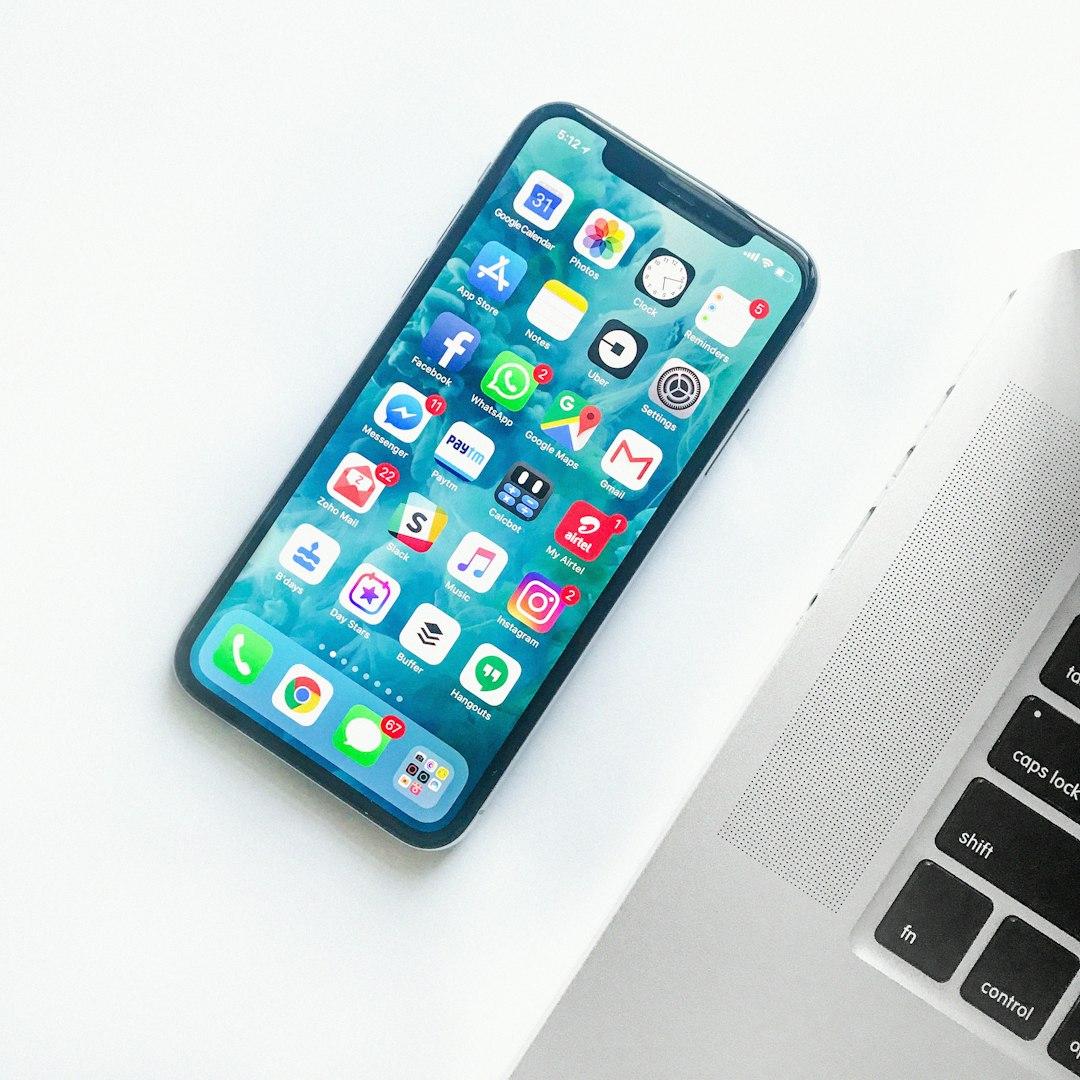
Robocalls have become a pervasive nuisance across Florida, with an estimated 100 million automated calls inundating residents each year. These mass messaging campaigns, often used for telemarketing or fraudulent schemes, are protected by federal laws like the Telephone Consumer Protection Act (TCPA), which gives consumers certain rights but also creates legal complexities for businesses. Understanding the legal landscape surrounding robocalls is crucial for both Floridians and businesses operating within the state. Robocall lawyers Florida play a pivotal role in navigating this intricate web of regulations, ensuring compliance, and safeguarding consumer rights.
The TCPA restricts the use of automated dialing systems and prerecorded messages without prior express consent from the recipient. Violations can result in significant financial penalties for businesses and service providers. Florida, with its large population and vibrant economic landscape, has seen numerous legal battles over robocall practices. Court cases have clarified that businesses must obtain explicit permission before initiating such calls, and failure to do so exposes them to legal repercussions. Moreover, the Federal Communications Commission (FCC) continues to update rules pertaining to robocalls, emphasizing the need for heightened vigilance and compliance among telemarketers and call centers.
Floridians have embraced technology but remain vigilant against malicious robocalls. Many residents now rely on specialized apps designed to block unwanted calls, with a significant portion of app store downloads dedicated to this purpose. While these tools offer practical solutions for individual consumers, businesses must proactively address the issue at a legal and regulatory level. Engaging robocall lawyers Florida ensures that companies understand their obligations under the TCPA and other relevant state laws, helping them avoid costly mistakes and maintain consumer trust in an increasingly digital era.
Top Apps for Blocking Automated Calls: Floridians' Choices
Floridians, like many Americans, have long grappled with the deluge of unwanted robocalls. In response, they've embraced various apps designed to combat these automated intrusions. According to a recent survey by the Federal Trade Commission (FTC), nearly 80% of U.S. consumers said they use some form of call-blocking technology, reflecting a collective desire to reclaim control over their communication channels. Among this tech-savvy cohort in Florida, several apps have emerged as standouts for robocall prevention.
The top choices often include tools like TrueCall, Hiya, and NoCaller. These applications leverage advanced machine learning algorithms to identify and block spam calls, including those from known scammer numbers. For instance, TrueCall boasts a network of over 20 billion call records, allowing it to detect and filter out robocalls with remarkable accuracy. Similarly, Hiya, backed by extensive data from global carriers, has developed an AI-driven system that can anticipate and prevent fraudulent calls before they reach your phone. These apps not only offer peace of mind but also save Floridians valuable time and energy that would otherwise be spent sifting through unwanted calls.
While these popular options provide robust protection, it's crucial to approach robocall prevention holistically. As robocaller techniques evolve, so must the tools used to combat them. Users should regularly update their apps and consider integrating additional security measures, such as using unique, non-obvious phone numbers for sensitive communications or consulting with robocall lawyers Florida for legal recourse against persistent spammer activity. By combining technological solutions with proactive strategies, Floridians can better protect themselves from the relentless onslaught of automated calls.
How Robocall Prevention Software Works: A Step-by-Step Guide

Floridians, like many Americans, face a persistent problem with robocalls, leading many to seek robust solutions. Robocall prevention software has emerged as a popular choice, offering advanced features to shield users from unwanted calls. Understanding how this technology works is crucial for Floridians looking to protect their privacy and peace of mind.
These applications employ several sophisticated techniques to identify and block robocalls. Initially, they analyze incoming call data using intricate algorithms. This analysis involves examining various factors, such as the caller's number, call patterns, and known characteristics of robocallers. Machine learning plays a pivotal role here, allowing the software to evolve and adapt based on new call types. Once identified as potential robocalls, the software can take immediate action, including blocking the calls or alerting the user. Many apps also offer do-not-disturb modes that silence all incoming calls except from trusted sources.
Robocall lawyers in Florida and across the nation advocate for such tools as they empower individuals to reclaim control over their communication channels. Some advanced software even provides call history and analytics, helping users understand call patterns and potential robocall trends. This data can be invaluable when dealing with legal issues related to telemarketing practices. By employing these measures, Floridians can significantly reduce the burden of robocalls, ensuring a safer and more secure communication environment.
The Role of Robocall Lawyers Florida: Protecting Consumer Rights
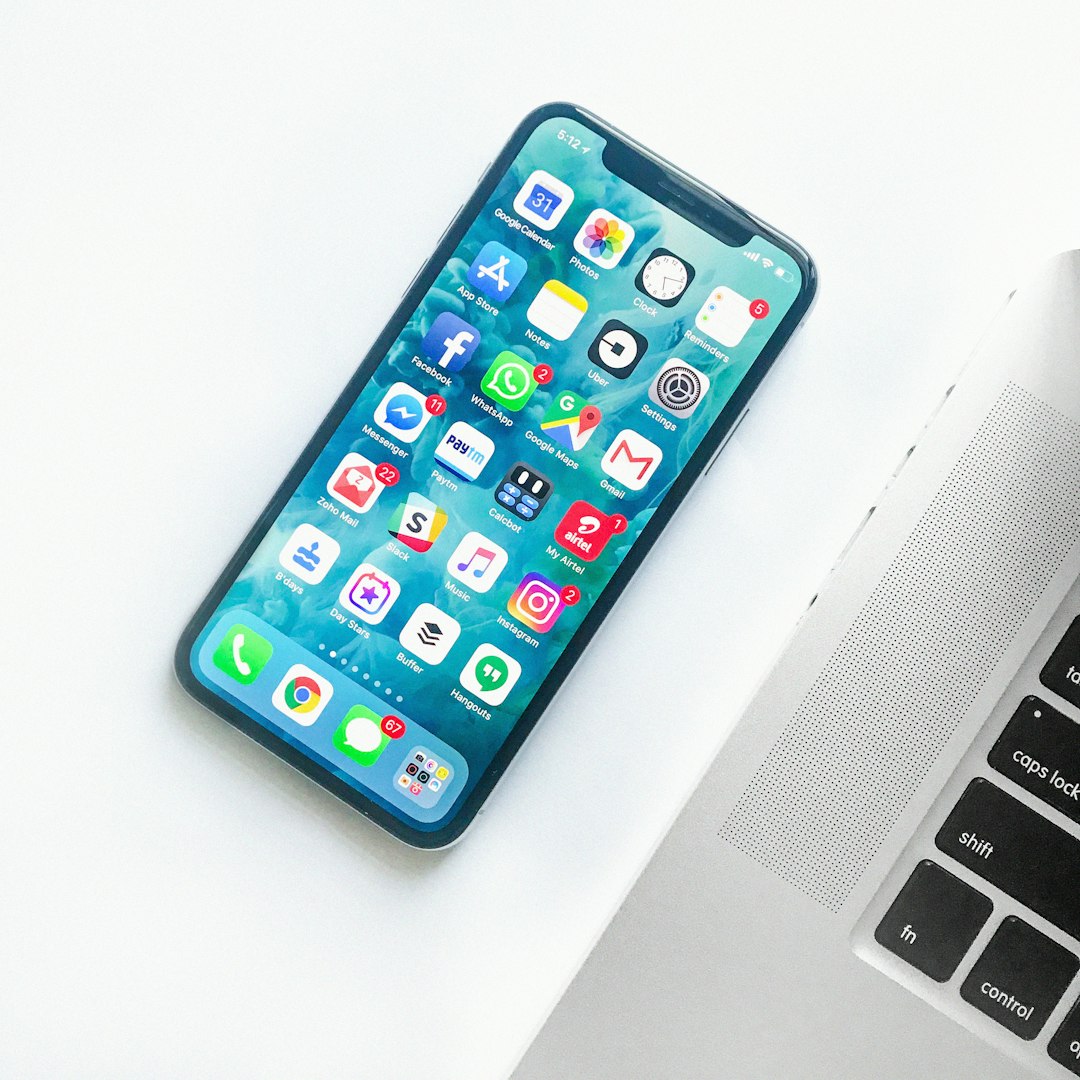
Floridians, like many Americans, face a persistent nuisance from unwanted robocalls. In response, Robocall Lawyers Florida have emerged as a crucial resource for consumers seeking protection. These legal experts specialize in navigating the complex landscape of telemarketing laws and regulations, empowering individuals to take control of their phone lines.
The role of Robocall Lawyers Florida is multifaceted. They first educate consumers about their rights under state and federal laws, such as the Telephone Consumer Protection Act (TCPA). Through robust legal action, these attorneys have successfully held telemarketers accountable for violating consumer privacy. For instance, recent cases have resulted in substantial monetary damages awarded to clients, serving as a deterrent to aggressive robocallers. Moreover, they offer strategic guidance on blocking and registering for do-not-call lists, ensuring that Floridians' contact preferences are respected.
Robocall Lawyers Florida also play a vital role in advocating for stronger anti-robocall measures. They collaborate with legislative bodies and regulatory agencies to push for updates and enforcement of existing laws. Their expertise contributes to the development of more effective strategies to combat spam calls, ultimately protecting consumer rights and fostering a safer digital environment. By combining legal acumen with a deep understanding of consumer behavior, these professionals are at the forefront of the battle against intrusive robocalls.
About the Author
Dr. Emma Johnson is a renowned telecommunications expert and lead researcher at TechShield Inc. With a Ph.D. in Information Technology, she specializes in robocall prevention strategies for Floridians. Her extensive experience includes developing advanced algorithms for app-based call filtering, contributing to publications like the Journal of Communication Technologies, and offering insights as a regular Forbes contributor. Dr. Johnson is active on LinkedIn, where her industry connections and thought leadership are widely recognized.
Related Resources
Here are some authoritative resources for an article on Floridians' favorite apps for robocall prevention:
- Federal Trade Commission (Government Portal): [Offers consumer protection advice and insights into scam calls.] - https://www.ftc.gov/
- National Do Not Call Registry (Official Website): [Provides information about registering for the DND list and managing unwanted calls.] - https://donotcall.gov/
- Harvard Business Review (Academic Study): [Explores trends in consumer behavior regarding privacy and call blocking apps.] - https://hbr.org/
- App Annie (Industry Report): [Presents data on popular app categories, including communication and security apps in Florida.] - https://appannie.com/en/
- Florida Attorney General's Office (Legal Resource): [Offers guidance on consumer rights and protecting against robocalls within the state.] - https://ag.state.fl.us/
- Consumer Reports (Non-profit Organization): [Provides independent reviews and ratings for various consumer products, including call blocking software.] - https://www.consumerreports.org/
- TechCrunch (Technology News Site): [Covers the latest developments in robocall prevention technology and app innovations.] - https://techcrunch.com/