Florida residents combat persistent robocalls through robust robocall laws Florida that mandate caller ID transparency, opt-out mechanisms, and restrictions on high-pressure sales tactics. Key provisions protect against unsolicited marketing calls. Using call-blocking apps like Hiya and NoCall, along with registering on the National Do Not Call Registry, ensures a quieter, safer communication environment. These multi-layered defenses empower Floridians to reclaim control over their conversations.
Robocalls remain a pervasive and irritating issue for Floridians, as automated calls from telemarketers, scammers, and political campaigns continue to inundate personal and business phone lines. Florida's strict robocall laws offer some protection, but consumers still face challenges in distinguishing legitimate calls from unwanted ones. This article delves into the favorite apps Floridian residents use to combat this nuisance. By exploring these tools, we aim to provide valuable insights into effective robocall prevention strategies that empower individuals to take control of their communication channels while navigating Florida's consumer protection regulations.
Understanding Florida's Robocall Prevention Laws
Florida residents face a constant barrage of unsolicited calls, especially from automated robocallers. However, robust robocall laws Florida offer substantial protections to citizens, empowering them to take control of their communication experiences. These laws not only prohibit certain types of automated calls but also establish strict guidelines for telemarketers and call centers operating within the state.
Key provisions include requirements for caller ID transparency, opt-out mechanisms, and restrictions on certain high-pressure sales tactics. For instance, Florida law mandates that callers disclose their identity and purpose before engaging in any marketing or sales conversation, allowing recipients to make informed decisions about whether to engage. Furthermore, residents can register their phone numbers with the National Do Not Call Registry, which automatically blocks most robocalls—a powerful tool in the fight against unwanted calls.
Practical advice for Floridians is to familiarize themselves with these robocall laws Florida and utilize available tools like call-blocking apps that are designed to filter out automated calls while allowing legitimate communications. By combining technological solutions with legal protections, residents can significantly reduce the number of robocalls they receive. This proactive approach ensures that when callers do reach out, it's typically because they have a genuine purpose, fostering a more meaningful and less disruptive communication environment.
Popular Apps for Blocking Unwanted Calls in Florida
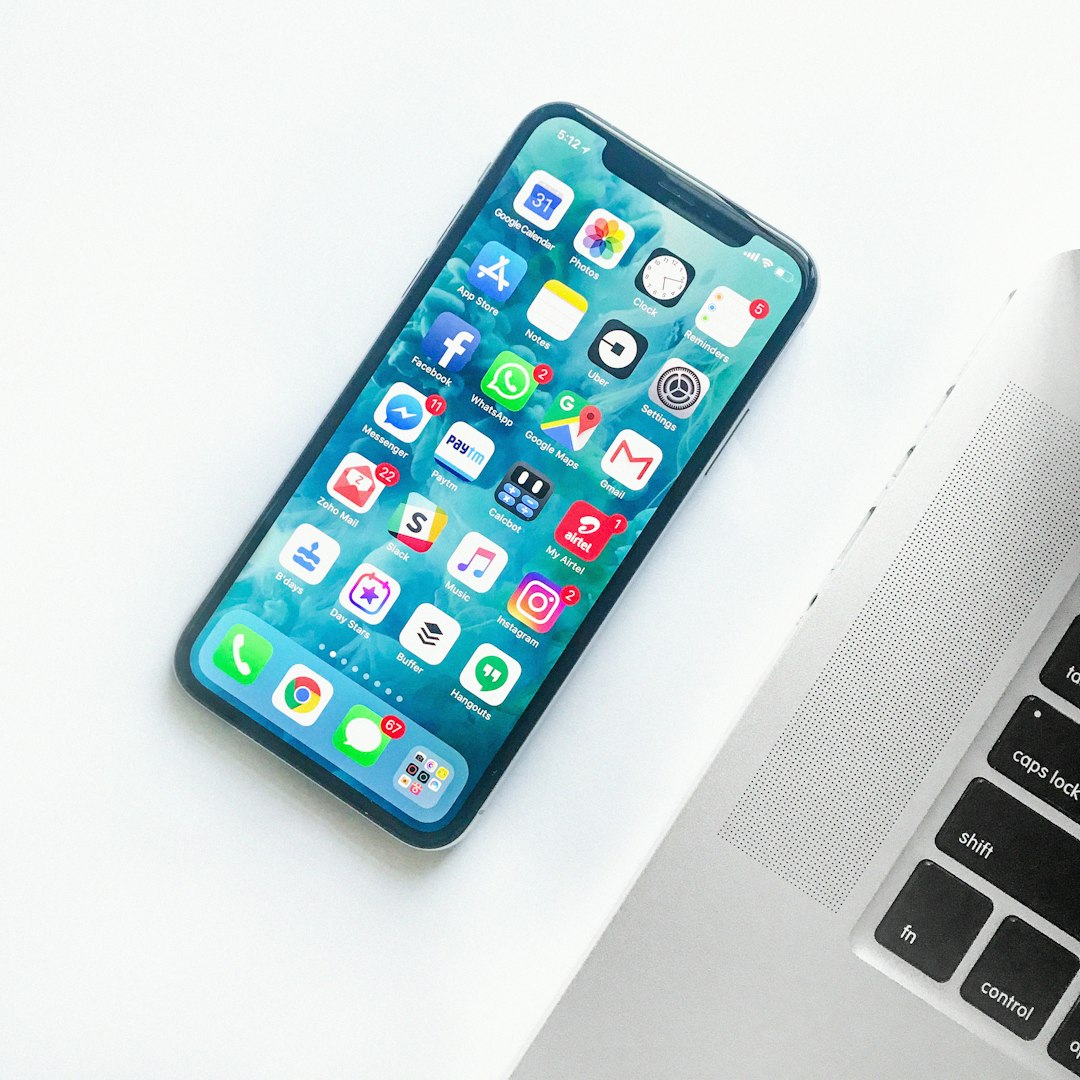
Floridians, known for their love of sunshine and sea, also have a growing preference for protecting their time and peace from intrusive robocalls. In a state with some of the nation's strictest robocall laws, including the Florida Telephone Consumer Protection Act, residents are increasingly turning to innovative apps designed to block unwanted calls. These applications offer a robust defense against relentless telemarketers, providing users with greater control over their communication experience.
Among the most popular in Florida are apps like Hiya and NoCall. Hiya, for instance, leverages machine learning algorithms to identify and block not just robocalls but also scam calls, ensuring Floridians stay safe from evolving scams. The app's extensive global database grows smarter with each interaction, continuously updating its definitions of known malicious numbers. Similarly, NoCall, backed by a community-driven approach, offers robust blocking capabilities while allowing users to whitelist preferred callers. This dual action—blocking unknown and unwanted calls while preserving personal connections—is a powerful feature that resonates well among Florida's residents.
Effective robocall prevention involves more than just app usage; it's about staying informed about the latest tactics employed by scammers. Floridians are encouraged to stay updated on local and national robocall trends, report suspicious calls to relevant authorities, and make use of the state's designated Do Not Call registry. By combining these measures with cutting-edge apps, residents can effectively combat the influx of unwanted calls, enjoying a quieter, safer communication environment.
How Floridian Consumers Protect Themselves
Floridians, like many Americans, face a deluge of unwanted robocalls, leading to a significant inconvenience and potential security risk. According to recent reports, Florida ranks among the top states for robocall volumes, with an average of 150 million automated calls flooding residents' phones annually. This surge has prompted consumers to seek robust solutions, and one effective approach is the strategic use of apps designed to combat these nuisance calls.
Consumers in Florida have embraced various call-blocking applications, leveraging technology to protect their privacy and time. These apps offer a multi-layered defense against robocalls by employing advanced algorithms and databases that identify and block automated phone systems. One popular method involves using call-identifying services that analyze incoming calls, flagging known spam numbers based on user reports and continuously updated data sources. For instance, the National Do Not Call Registry, enforced by Florida's robocall laws, is a valuable resource for Floridians to register their phones and limit commercial calls.
Many apps also utilize machine learning to adapt to new patterns, ensuring that even evolving robocall tactics are detected and blocked. This proactive approach empowers residents to regain control over their communication channels. By combining app-based solutions with awareness of their rights under Florida's consumer protection laws, Floridians can effectively navigate the landscape of telephone scams and unwanted calls, ensuring a safer and less chaotic digital environment.
Effective Strategies to Reduce Robocalls in the Sunshine State
Floridians, known for their sunny disposition, also face a dark side of modern communication: robocalls. With nearly 24 million people, Florida is a prime target for automated telemarketing calls, often posing as legitimate business offers or scams. However, residents have taken matters into their own hands to combat this nuisance, leveraging technology and legal frameworks like the robocall Laws in Florida to regain control.
One of the most effective strategies is employing app-based solutions designed specifically for call blocking and identification. Apps like RingCentral, TrueCall, and Hiya have gained significant traction among Floridians. These tools use advanced algorithms to analyze incoming calls, identifying potential spam or scams based on caller patterns and reputation data. For instance, RingCentral's Call Control feature allows users to block specific numbers or entire categories of callers, ensuring a quieter line. The Florida Attorney General's Office has even recognized the power of these apps, encouraging residents to use them as a first line of defense against unwanted calls.
Additionally, Floridians can utilize the National Do Not Call Registry, a federal database that restricts telemarketers from calling registered numbers. While it doesn't stop all robocalls, it significantly reduces legitimate business calls. The Federal Trade Commission (FTC) oversees this registry, and registration is free and easy. Together with app-based solutions, Floridians can create a multi-layered defense against robocalls, transforming the state's communication landscape into a safer, more pleasant environment for all residents.