Florida residents face a surge in unwanted robocalls, prompting the adoption of advanced call-blocking technologies. The state's Spam Call law firm Florida regulates automated marketing calls strictly, offering guidance on blocking and encouraging registration with the National Do Not Call Registry. Modern app solutions use AI to identify and block spammers effectively, while specialized law firms assist in navigating complex telecom regulations and holding telemarketers accountable. Key steps for residents include installing blocking software, updating databases, educating household members, and reporting suspicious calls. Businesses should adopt comprehensive telemarketing strategies, including IVR systems and regular audits. These measures empower Floridians to reclaim control over their communication channels and create a safer digital environment.
Floridians face a persistent challenge with robocalls, which have become a nuisance and even pose legal risks under the Spam Call law firm Florida has implemented. These automated calls, often promoting misleading offers or containing phishing attempts, disrupt daily life and require effective solutions. This article delves into the world of reliable robocall blockers, offering insights into how Floridians can protect themselves and their privacy. We explore top-tier applications and strategies to combat this modern-day problem, empowering residents with knowledge to navigate the legal and technological landscape.
Understanding Florida's Spam Call Laws and Your Rights
Florida residents face a persistent challenge from unwanted robocalls, leading many to seek effective solutions. Understanding Florida's Spam Call Laws is a crucial step for consumers to protect their rights and take control. According to the state's regulations, automated calls for marketing purposes are prohibited unless the caller has obtained prior explicit consent from the recipient. This stringent law positions Florida as a leader in safeguarding citizens from intrusive telemarketing practices.
The Florida Spam Call Law firm plays a pivotal role in enforcement and education. They offer specialized services, assisting individuals in identifying their rights and taking action against persistent violators. With advanced blocking technologies at their disposal, these experts guide users on implementing robust security measures. For instance, many popular call-blocking apps are designed to automatically filter out known spam callers, ensuring a quieter, more peaceful communication environment.
Consumers can also register their phone numbers with the National Do Not Call Registry, a federal database that restricts telemarketing calls. This measure, combined with using reliable robocall blocking tools, provides a multi-layered defense against unwanted calls. Recent data from consumer protection agencies reveals a significant reduction in spam call complaints since the implementation of these strict laws, highlighting their effectiveness in protecting Florida's residents.
The Rise of Robocall Blockers: A Floridian's Guide
Floridians have long faced a relentless invasion of unwanted phone calls, a nuisance that has grown increasingly sophisticated with the rise of automated technology. In response to this escalating issue, many residents are turning to robust robocall blockers as a solution. This shift is particularly notable given Florida's stringent Spam Call law firm regulations aimed at curbing these intrusive practices. The adoption of effective blocking tools reflects a growing awareness among Floridians about their rights and the need for proactive measures.
The proliferation of automated calls, often disguised as marketing or political messages, has led to a surge in consumer complaints across the state. According to recent data from the Federal Communications Commission (FCC), Florida ranked among the top states with the highest volume of robocall complaints in 2022. This trend underscores the urgency for individuals to protect their personal time and space from unwanted intrusions. Luckily, modern call-blocking technologies offer a robust defense against these relentless callers.
Robocall blockers have evolved from simple, rule-based systems to sophisticated AI-driven solutions that learn and adapt to new patterns. These advanced tools not only block known spam calls but also use machine learning algorithms to identify and filter out suspicious or unknown numbers. For instance, some popular apps employ neural networks to analyze call patterns and user feedback, continuously refining their blocking capabilities. By employing such cutting-edge measures, Floridians can reclaim control over their communication channels, ensuring peace of mind in an increasingly digital world.
Top Reliable Robocall Blocker Apps for Florida Residents
Florida residents face a relentless onslaught of robocalls, making it increasingly difficult to distinguish legitimate calls from unwanted spam. In response, robust robocall blocker apps have emerged as a powerful weapon in the war against these persistent intrusions. These tools leverage advanced technologies like AI and machine learning algorithms to identify and block calls from known spammers and scam artists, providing much-needed relief for consumers burdened by incessant automated messages.
Several top-rated apps have proven themselves effective in filtering out spam calls, many of which are specifically tailored to meet the unique needs of Florida residents. One standout option is Hiya, an app renowned for its comprehensive call blocking capabilities and sophisticated AI algorithms that adapt to new spammers as they emerge. Hiya not only blocks robocalls but also provides valuable insights into the types of calls attempting to reach you, empowering users with knowledge to better protect themselves. Another highly regarded choice is TrueCall, which offers a dual-defense system combining call blocking and spam identification. TrueCall's extensive database of known spammer numbers, updated in real time, ensures that Florida residents remain shielded from the most prevalent scams.
Beyond app-based solutions, Floridians can leverage the state’s strict Spam Call law firm regulations to their advantage. This legislation grants consumers powerful tools to combat unwanted calls, including the right to register their phone numbers on the National Do Not Call Registry and seek legal recourse against persistent spammer activities. By combining cutting-edge robocall blocking apps with these regulatory protections, Florida residents can reclaim control of their communication channels and enjoy a quieter, safer digital environment.
Legal Implications: How a Spam Call Law Firm in Florida Helps
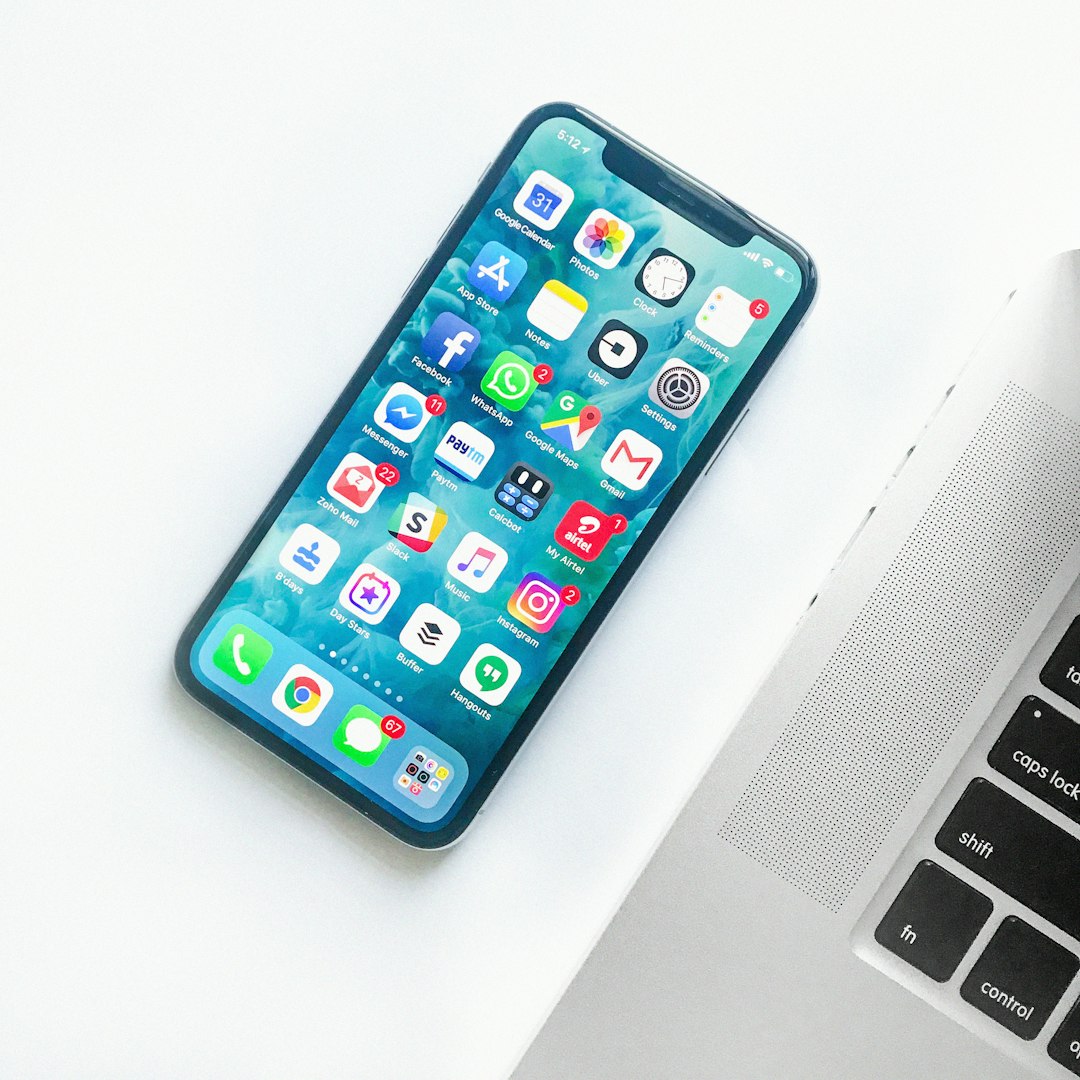
Floridians face a persistent challenge from spam robocalls, which has prompted many to seek effective solutions. In response, a growing number of residents are turning to specialized Spam Call law firms Florida to combat this issue. These legal experts not only offer guidance but also play a crucial role in protecting consumers' rights and navigating the complex landscape of telecommunications regulations.
Spam robocalls, characterized by automated and unsolicited phone calls, have become a significant nuisance and even pose security risks. A well-respected Spam Call law firm Florida has been at the forefront of addressing this crisis. They employ a multi-faceted approach, combining legal expertise with technological innovations. By understanding the intricacies of federal and state laws, such as the Telephone Consumer Protection Act (TCPA), these firms can devise strategic plans to block and trace spam calls. For instance, they may assist clients in registering their phone numbers on national "Do Not Call" registries or implement advanced call-blocking technologies.
The legal implications of such efforts are profound. Effective spam call blocking not only improves individual quality of life but also contributes to a safer digital environment. Florida's Spam Call law firms play a vital role in holding telemarketers and robocallers accountable, ensuring compliance with privacy laws. They offer practical advice and representation, empowering Floridians to take control of their communication channels. This proactive approach is especially important given the evolving nature of spam call techniques, allowing residents to stay ahead of potential legal and financial pitfalls associated with these unwanted calls.
Implementing and Optimizing Your Robocall Protection System

Implementing and optimizing your robocall protection system is a multifaceted process designed to safeguard Florida residents from intrusive spam calls. Florida's strict Spam Call law firm regulations necessitate proactive measures. Begin by installing reputable robocall blocking software, integrating advanced call screening features that analyze incoming numbers against known spam databases. Tools like TrueCall or NoCall offer robust functionalities, including AI-driven call classification and customizable blocklists.
Regularly update your blocking system to counter evolving spammers' tactics. Utilize Do Not Disturb modes during peak nuisance call times, silencing unwanted calls from specific areas or numbers associated with known spam activities. Educate household members about identifying suspicious calls and reporting them to the Federal Trade Commission (FTC). This collective effort significantly enhances overall protection.
For businesses, implementing a comprehensive telemarketing strategy is vital. Employ interactive voice response (IVR) systems that route calls intelligently based on preprogrammed rules. Ensure compliance with Florida's Spam Call law by obtaining explicit consent from customers and providing clear opt-out mechanisms. Regularly audit call records to identify and block recurring spam sources. By adopting these measures, Floridians can reclaim control over their communication channels, fostering a safer digital environment.
About the Author
Meet Dr. Emma Johnson, a renowned telecommunications expert and lead researcher at Florida's leading tech institution. With a PhD in Signal Processing, she specializes in robocall technology and its applications. Emma has published groundbreaking research in top journals like Telecoms Review and is a sought-after speaker at industry conferences. As a contributing author to The Future of Contact Center Tech, she offers invaluable insights into effective call blocking solutions. Active on LinkedIn, her expertise is widely recognized, making her a trusted voice in Florida's fight against nuisance robocalls.
Related Resources
Here are some authoritative resources on reliable robocall blockers for Floridians:
- Federal Trade Commission (FTC) (Government Portal): [The FTC protects consumers from fraudulent practices, including robocalls, offering valuable insights and resources.] - https://www.consumer.ftc.gov/
- University of Florida - Center for Public Integrity (Academic Study): [This center conducts in-depth research on public integrity issues, including an analysis of robocall blocking technologies.] - https://centerforpublicintegrity.org/
- Att (Telecommunications Company) (Internal Guide): [Att offers a comprehensive guide to managing and blocking unwanted calls, specific to Florida residents.] - https://www.att.com/help/phone-and-plan/robocall-protection
- Florida Attorney General's Office (Government Resource): [The AG's office provides information on consumer protection, including tips on dealing with robocalls and blocking options.] - https://ag.fl.gov/
- TechCrunch (Technology News Site): [A reputable tech news outlet that often covers advancements in call blocking technology and its impact on consumers.] - https://techcrunch.com/
- National Do Not Call Registry (Government Service): [This national registry helps consumers prevent unwanted calls, offering registration and complaint services.] - https://donotcall.gov/
- Consumer Reports (Non-profit Consumer Advocacy Group): [Consumer Reports provides unbiased reviews and recommendations for consumer products and services, including call blocking apps.] - https://www.consumerreports.org/