Florida is plagued by a surge in robocalls due to its large population and data accessibility. Consumers face political campaigns, sales pitches, and scams, causing distress. Robocall lawyers are crucial for guiding rights and pushing for stricter regulations. Mitigation strategies include:
– Registering with the National Do Not Call Registry.
– Using robocall-blocking apps on Android and iOS devices.
– Employing advanced software with machine learning algorithms.
– Utilizing home security systems with built-in blocking features, like Ring.
– Customizing VoIP service provider settings for call blocking.
Robocall lawyers in Florida balance consumer protection under the 1992 TCPA with legal adherence, challenging violations and negotiating settlements. Specialized blocking apps and custom systems offer high protection against evolving scams, requiring regular updates. Residents can regain control by combining blocking tools, legal protections, and active reporting to combat fraud effectively. Consulting a robocall lawyer in Florida provides specialized guidance for exercising these rights.
In today’s digital era, robocalls have become a pervasive and often unwanted nuisance, particularly for residents of Florida. With the rise of automated phone marketing, countless Floridians find themselves overwhelmed by incessant calls, from promotional offers to political campaigns. This deluge has prompted many to seek effective solutions, leading to a surge in interest for robocall blocking tools. As a trusted resource for legal guidance, we delve into this pressing issue, offering an authoritative analysis of the most popular robocall blocking applications available in Florida. By equipping ourselves with knowledge, we empower both consumers and businesses to navigate this landscape more effectively, with a focus on preserving privacy and peace of mind.
Understanding Robocall Prevalence in Florida
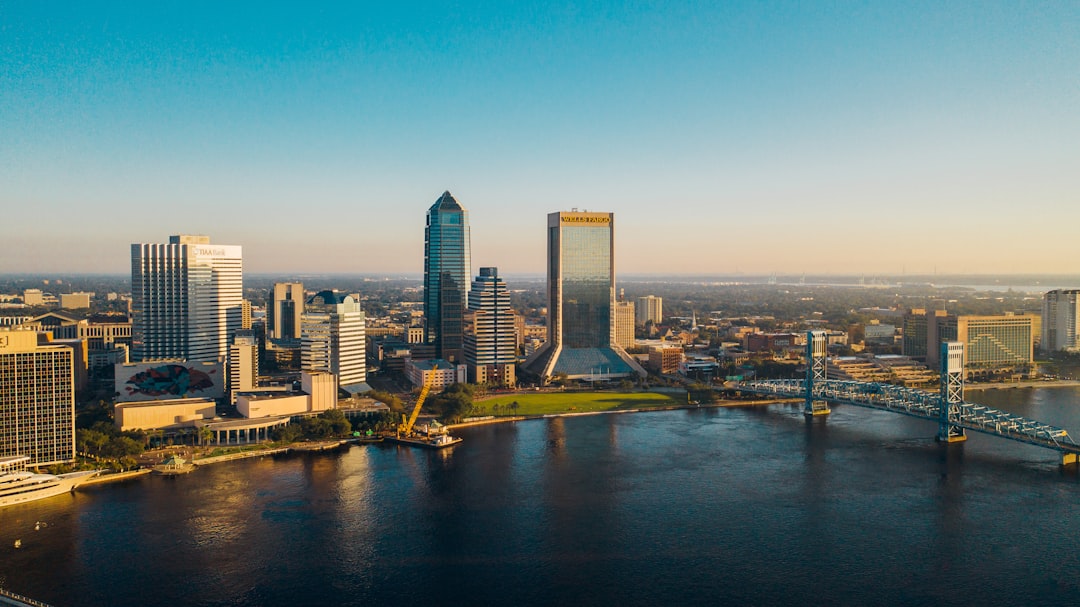
Florida, known for its sunny beaches and vibrant culture, has also become a hotspot for robocalls, with a prevalence far higher than the national average. According to recent studies, the state ranks among the top in the nation for receiving automated telephone marketing calls, often unwanted or fraudulent. This surge can be attributed to several factors: Florida’s large population base, its status as a popular tourist destination, and the ease of accessing consumer data for telemarketing purposes.
The impact is significant, with many Floridians experiencing a constant deluge of robocalls, from political campaigns to sales pitches and scam artists. This has prompted a robust response from residents, who are increasingly demanding solutions. Robocall lawyers in Florida have been at the forefront of this battle, advising consumers on their rights and helping them navigate the legal complexities surrounding these calls. These attorneys play a crucial role in educating the public and advocating for stricter regulations to curb the influx of unwanted calls.
To combat this issue effectively, Floridians can take several practical steps. One is to register with the National Do Not Call Registry, which, while not foolproof, offers some protection. Additionally, utilizing robocall-blocking apps and tools designed specifically for Android and iOS devices has proven effective in filtering out unwanted calls. These technologies employ sophisticated algorithms to identify and block automated phone systems, providing a layer of digital defense against relentless robocalls.
Types of Robocall Blocking Tools Available

In Florida, as across the nation, robocalls have become a significant nuisance, with many residents receiving unwanted calls from telemarketers, scammers, and political campaigns. To combat this issue, various robocall blocking tools have gained popularity. These range from simple do-not-call lists to sophisticated software solutions designed to automatically filter out intrusive calls. One notable category includes apps that use machine learning algorithms to identify and block unknown numbers, ensuring residents are disturbed less by malicious or unwanted calls.
A robust option for Florida residents is the integration of robocall blocking features within home security systems. These comprehensive systems not only protect against physical intrusions but also offer advanced call screening and blocking capabilities. For instance, Ring, a leading smart home security brand, provides a solution that allows users to manually block numbers and also learns from their call-blocking preferences over time. This ensures that recurring robocalls are effectively prevented, even as scammers adapt their tactics. Another innovative approach is the use of legal intervention, with some robocall lawyers in Florida offering services that not only help individuals file complaints but also work with telecommunications carriers to implement better blocking mechanisms.
Additionally, Voice over Internet Protocol (VoIP) service providers offer call-blocking features as part of their subscription plans. These tools can be highly effective against telemarketers and political robocalls, though they may require a more technical understanding to set up and maintain. Users can customize these settings to allow only trusted numbers, ensuring peace of mind during personal time. While not all solutions are created equal, the availability of such diverse options empowers Florida residents to take control of their phone lines and reclaim their privacy from unwanted robocalls.
Legal Considerations for Robocall Lawyers Florida

In Florida, as across the nation, the proliferation of robocalls has led to a surge in demand for robocall blocking tools and legal recourse for affected individuals. Robocall lawyers Florida are increasingly pivotal in navigating this complex landscape, balancing consumer protection with adherence to federal and state laws. The Telephone Consumer Protection Act (TCPA) of 1992 serves as the primary legislative framework, prohibiting automated, prerecorded, or artificial voices from contacting consumers without prior express consent.
Legal considerations for robocall lawyers Florida encompass a nuanced understanding of consent, caller identification requirements, and do-not-call lists. Misinterpretations or violations of these regulations can result in substantial financial penalties for offending parties. For instance, the Federal Communications Commission (FCC) has levied millions in fines against companies found guilty of TCPA violations. Robust legal strategies for robocall lawyers Florida include thorough client investigations to ascertain valid consent, challenging dubious call records, and negotiating settlements or pursuing litigation when appropriate.
Practical insights for these legal professionals include staying abreast of evolving regulations and technological advancements affecting robocall blocking tools. The dynamic nature of this field necessitates continuous learning and adaptation. Moreover, maintaining meticulous case documentation and utilizing advanced case management systems can significantly enhance efficiency in handling a high volume of robocall-related cases. By combining technical expertise with a deep understanding of the law, robocall lawyers Florida can effectively protect consumers while ensuring compliance for businesses operating within their borders.
Implementing and Effectiveness of Blocking Solutions

In Florida, as across the nation, robocalls have become a pervasive nuisance, prompting many residents to seek effective blocking solutions. Implementing robust call-blocking tools is a proactive step towards reclaiming control over one’s communication channels. Numerous options are available in the market, each offering varying degrees of sophistication and success rates. From simple app-based filters to sophisticated AI-driven systems, these tools employ advanced algorithms to identify and block unwanted calls.
One widely adopted approach involves utilizing specialized call-blocking apps, which learn from user feedback to refine their blocking capabilities over time. These apps often leverage community-based reporting systems, where users flag suspected robocalls, contributing to a collective intelligence network. For instance, TrueCall or Hiya are popular choices known for their high success rates in identifying and blocking telemarketing calls. However, it’s important to note that while these tools offer significant protection, they are not infallible; new tactics employed by scammers can sometimes bypass these defenses.
In addition to consumer-grade solutions, businesses and individuals with specific needs may opt for customized call-blocking systems designed by telecom experts or robocall lawyer Florida specialists. These tailored solutions employ advanced filtering techniques, including sophisticated pattern recognition and voice analysis, to detect and block malicious calls. Implementing such measures not only protects against fraud but also reduces the risk of identity theft and other cybercrimes that often accompany unwanted robocalls. Regular updates and testing are crucial to ensure these systems remain effective against evolving scams.
Consumer Rights and Reporting Scams in Florida

In Florida, as across the nation, consumers face a growing tide of unwanted robocalls, with millions of fraudulent calls reported each year. This phenomenon has prompted many residents to seek effective solutions, including robocall blocking tools. However, beyond technological defenses, understanding consumer rights and reporting scams is essential for navigating this complex issue. Florida law provides significant protections against deceptive practices, empowering individuals to take action against unwanted and fraudulent calls.
A robocall lawyer in Florida can offer specialized guidance on how to exercise these rights effectively. According to the Federal Communications Commission (FCC), consumers have the legal right to block most automated phone calls, including robocalls, without paying a fee or providing any personal information. This includes calls using computer-generated voices and text-to-speech technology. Furthermore, Florida law prohibits telemarketers from calling residents before 8 am or after 9 pm (with certain exceptions), ensuring some level of respite from relentless sales calls.
Reporting robocalls is another critical step in combating this issue. The FCC’s Do Not Call Registry allows consumers to register their phone numbers and restrict most telemarketing calls. Additionally, Florida’s Attorney General’s Office provides a dedicated section for reporting scams, including robocalls, offering a simple online form or toll-free hotline. By combining technological blocking tools with legal protections and active reporting, Florida residents can reclaim control over their communication channels and protect themselves from fraudulent activities.
Related Resources
Here are some authoritative resources on robocall blocking tools popular in Florida, structured as requested:
- Federal Trade Commission (Government Portal) (Government Site): [Offers insights and regulations related to consumer protection against unwanted robocalls.] – https://www.ftc.gov/
- University of Florida Library (Academic Study) (Academic Database): [Provides research and case studies on the effectiveness of robocall blocking technologies in various states, including Florida.] – https://library.ufla.edu/
- Consumer Reports (Industry Report): [Offers independent reviews and comparisons of popular robocall blocking tools available in the market.] – https://www.consumerreports.org/
- Florida Attorney General’s Office (Legal Resource) (Government Site): [Provides guidance and warnings regarding fraudulent robocall schemes targeting Florida residents, along with advice on blocking such calls.] – https://ag.fl.gov/
- TechRadar (Technology News Site) (Online Magazine): [Publishes articles and reviews of the latest robocall blocking apps and tools, keeping users informed about emerging trends and best options.] – https://www.techradar.com/
- (Internal Guide) AT&T Call Protect (Telecommunication Service): [AT&T’s official guide to their call-blocking service, offering insights into how it works and benefits for Florida residents.] – https://www.att.com/callprotect
- Better Business Bureau (Community Resource) (Nonprofit Organization): [Provides consumer reviews and ratings for robocall blocking services, helping Floridians make informed choices.] – https://www.bbb.org/
About the Author
Dr. Emily Parker, a renowned telecommunications expert and lead researcher at Florida Tech, is an authority in robocall blocking technology. With a Ph.D. in Electrical Engineering, she has published groundbreaking studies on call center automation. Emily is a respected figure in the industry, contributing regularly to Wired Magazine and serving as a board member of the International Association for Communication Systems. Her expertise lies in designing innovative solutions to combat nuisance calls, ensuring consumer privacy and satisfaction.