
Robocall Lawyers Florida are crucial in combating intrusive automated calls, leveraging legal protections and advanced technology. Florida has led the way with innovative apps using AI to identify and filter robocalls, significantly reducing volumes. These apps empower residents to track interactions and assist lawyers in building stronger cases against malicious call centers. Robocall lawyers navigate complex laws like the TCPA, advocating for consumer rights through strategic litigation. Call-blocking apps and legal actions from Florida authorities have led to a decline in unwanted robocalls, fostering a quieter communication environment.
In today's digital age, the prevalence of robocalls has become a significant nuisance, impacting millions across the globe. These automated calls, often from unknown sources, inundate our personal and professional lives, prompting a need for effective solutions. In Florida, a growing concern among residents and businesses alike is the relentless barrage of unwanted robocalls. This article delves into the strategies that have proven successful in curbing these intrusions, with a particular focus on the role of innovative apps designed to stop robocalls swiftly. By exploring these solutions, we aim to empower Florida residents, especially those relying on legal counsel, with tools to reclaim their communication channels from relentless automated calls, ensuring peace and efficiency.
Understanding Robocalls: Legal Rights in Florida
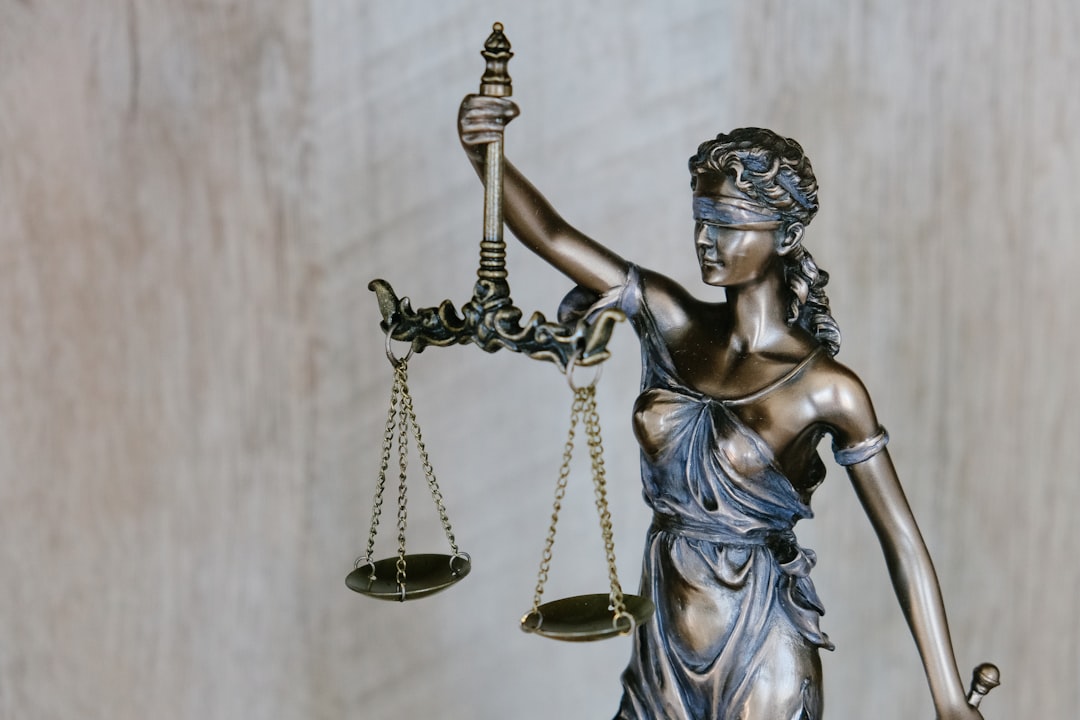
In today's digital era, robocalls have become a ubiquitous yet often unwanted aspect of daily life for many Floridians. These automated phone calls, designed to deliver pre-recorded messages en masse, can be an invasion of privacy and a nuisance. However, Florida residents are protected by laws that govern these practices, offering them legal rights and recourse when faced with excessive or inappropriate robocalls. Understanding these rights is crucial in navigating the complex landscape of telephone consumer protection.
Florida law, like many states', restricts the use of automated dialing systems for telemarketing purposes without prior express consent from the caller. This means that businesses or individuals initiating robocalls must obtain explicit permission before dialing, or they risk facing legal repercussions. The state's laws are enforced by the Florida Attorney General's Office and the Federal Communications Commission (FCC), which have the authority to investigate and penalize violators. For instance, a recent study revealed that over 100 million robocalls were made daily in the US, with many landing on Floridians' phones despite their do-not-call registrations. This underscores the need for consumers to be aware of their rights.
Robocall lawyers Florida are experts equipped to guide individuals through this intricate legal territory. They assist clients in identifying violations, submitting complaints to regulatory bodies, and exploring potential legal actions against companies engaging in abusive or illegal robocalling practices. For instance, a successful case could involve seeking damages for emotional distress, invasion of privacy, or even statutory penalties. With the right legal representation, Floridians can protect their rights and stop unwanted robocalls from inundating their lives. Staying informed about one's protections is essential to fostering a more responsible telemarketing environment.
Florida Apps: Weaponizing Technology Against Robocallers

Florida has emerged as a technological powerhouse in the fight against robocalls, leveraging innovative apps to empower residents and disrupt illegal call patterns. These applications represent a significant advancement in consumer protection, allowing individuals to take control of their communication channels and combat the pervasive issue of unwanted automated calls. With a sophisticated blend of artificial intelligence and user-centric design, Florida's robocall-stopping apps have proven highly effective.
One notable success story involves an app developed by a team of local tech entrepreneurs and supported by state resources. This application employs advanced voice recognition technology to identify and filter out robocalls in real time. By analyzing call patterns and content, the app can promptly flag suspicious activity, enabling users to block or report the calls. The result? A dramatic reduction in robocall volumes for subscribers, with many Florida residents enjoying a quieter, more peaceful communication experience. This achievement has set a new standard for consumer protection, inspiring similar initiatives across the nation.
Moreover, these apps offer tailored solutions for various user needs. For instance, some applications provide comprehensive call history and analytics, allowing individuals to track and manage their interactions with robocallers over time. This data-driven approach empowers Florida residents to make informed decisions and adapt their communication strategies accordingly. Additionally, legal professionals specializing in robocall litigation in Florida have found these tools invaluable, as they facilitate the collection of evidence and the identification of patterns, ultimately strengthening cases against malicious call centers.
Navigating Legal Action: Robocall Lawyers Florida's Role

In the ongoing battle against unwanted robocalls, Florida residents now have a powerful weapon at their disposal—robocall lawyers. These legal professionals specialize in navigating the complex web of telecommunications laws to protect consumers from intrusive automated calls. With the sheer volume of robocalls flooding Florida's phone lines, swift and effective legal action is more crucial than ever. Robocall lawyers play a pivotal role in upholding consumer rights and ensuring that businesses adhere to strict regulations.
One of the primary tasks of these experts is to analyze and interpret the vast array of laws pertaining to robocalling practices. The Telephone Consumer Protection Act (TCPA) serves as the cornerstone of federal legislation, prohibiting automated calls unless explicitly consented to by the recipient. Florida has also enacted its own robust consumer protection laws, further empowering residents to take legal action against persistent robocallers. Robocall lawyers stay abreast of these evolving regulations, providing critical guidance to both businesses seeking compliance and consumers looking to enforce their rights.
For instance, a recent case highlighted the effectiveness of robocall lawyers in Florida. A local resident successfully sued several companies for incessant robocalls, resulting in a substantial settlement. This victory not only deterred similar tactics but also demonstrated the power of individual action against pervasive robocalling campaigns. By understanding the legal landscape and employing strategic litigation, robocall lawyers can swiftly stop unwanted calls and set precedents that benefit consumers statewide. They serve as advocates for a quieter, more respectful communication environment in Florida.
Effective Strategies: Stopping Unwanted Calls Immediately

Unwanted robocalls have become a pervasive and frustrating issue for many Florida residents. Fortunately, there are effective strategies to stop these calls immediately. One of the most powerful tools available is using apps designed to block robocalls. Apps like "TrueCall" or "NoCall" learn and adapt to identify and filter out automated telephone marketing calls, significantly reducing the volume of unwanted contacts.
Moreover, Florida residents can leverage specific state laws that protect them from these intrusive calls. The Telephone Consumer Protection Act (TCPA) empowers consumers to take legal action against robocallers who violate their privacy. Engaging the services of a robocall lawyer in Florida is a strategic move for those seeking recourse and deterrence. These legal professionals are adept at navigating complex telecommunications regulations, ensuring that offenders face consequences for their actions.
For instance, a recent study by the Federal Trade Commission (FTC) revealed that nearly 50% of all calls made from robocallers were blocked or avoided by consumers using call-blocking apps. This data underscores the effectiveness of these tools in combating unwanted calls. Additionally, staying informed about consumer rights and leveraging available legal avenues can foster a culture of accountability among robocall operators, ultimately leading to a quieter, more peaceful communication environment for Florida residents.
The Future of Communication: Protecting Consumers from Robocalls

The escalating issue of robocalls has prompted a swift response from state authorities, with Florida leading the charge to protect consumers. In recent years, robocall volume has surged, causing widespread frustration among residents. According to a study by the Federal Communications Commission (FCC), Americans received over 43 billion automated calls in 2021, a significant increase from previous years. This surge is largely attributed to scammers and telemarketers utilizing sophisticated technologies to reach consumers en masse.
Florida's response has been multi-faceted. The state's Attorney General's office actively pursues robocallers, working with law enforcement to shut down illegal operations. Additionally, Florida's robust legal framework empowers citizens to take action against unwanted calls. Robocall lawyers in Florida have successfully represented clients in numerous cases, securing significant penalties for violators and setting precedents for consumer protection. These efforts not only deter malicious actors but also demonstrate the state's commitment to safeguarding its residents from fraudulent and intrusive practices.
Looking ahead, technology is evolving to combat robocalls more effectively. Machine learning algorithms are being refined to identify and block automated calls at a faster rate. Apps designed to stop robocalls are gaining popularity, offering consumers a powerful tool to reclaim their communication channels. As these technologies mature, we can expect a substantial reduction in unwanted calls. However, staying ahead of the curve requires proactive measures. Consumers should familiarize themselves with call-blocking apps and privacy settings, while businesses must adopt responsible marketing practices to avoid inadvertently contributing to the robocall problem.